
 English
  Español
  Deutsch

Introduction of Leatherette Pet Collars Briefly introduce leatherette pet collars and their growing popularity. Leatherette pet collars have emerged as a dominant force in the pet ...
Read More
Sublimation Printing Materials: How to Choose the Right Blanks for Consistent Results
2026-08-12Picture this: you have just finished a trial run of custom mouse pads. The printer profile matched the recommended settings, the transfer paper came from a reliable source, and the heat press was preheated to the right temperature. Yet when you peel off the paper, the logo looks faded, the edges are blurry, and two pads from the same batch do not match each other. The most likely culprit is not your technique. It is the sublimation blank.
Here is the conclusion straight away: among all sublimation printing materials, the blank is the component most buyers under-specify and over-trust. It is also the component that determines whether a design looks sharp and vibrant or dull and muddy. In this guide, we walk through what a complete sublimation setup includes, how to evaluate blanks before you commit, and which product categories deserve a place in your regular inventory.
What Sublimation Printing Materials Actually Include
Most discussions of sublimation printing materials focus on five core items: printer, ink, transfer paper, heat press and the blank itself. Each one has a specific function, and each one fails in a different way when quality slips.
| Material | Function | Typical failure mode |
|---|---|---|
| Sublimation printer | Prints the design using sublimation ink | Clogged nozzles, banding, inconsistent output |
| Sublimation ink | Gasifies under heat and bonds with a polymer surface | Off-colour prints, poor wash fastness |
| Transfer paper | Carries the wet ink until the press drives it into the blank | Ghosting, paper curl, leftover dye on the paper |
| Heat press | Applies the temperature and pressure needed for dye migration | Uneven heat, faded edges, adhesive bleed |
| Sublimation blank | Accepts the vaporised dye and becomes the finished product | Dull colours, patchy coating, surface damage |
The blank is unique among the five because it ends up in the customer's hands. If the ink is bad, you can switch ink and rerun a test. If the blank is bad, the whole production batch is compromised, including every unit you have already pressed.
Why the Sublimation Blank Matters More Than It Seems
Sublimation relies on a simple chemical principle: under heat and pressure, the dye turns into a gas and bonds with a polyester or polymer surface. Natural fibres such as cotton do not absorb the gas, which is why standard sublimation does not work on ordinary t-shirts. Materials that sublimate well either contain polyester, or they carry a dedicated polymer coating that accepts the dye.
For coated blanks, the quality of that coating controls the final result. A good coating holds the dye evenly, produces saturated colours and survives handling without cracking. A poor coating leaves white spots, creates a hazy finish, or fails during the transfer itself. The coating is invisible in product photos, yet it decides how the print looks from the first press to the last.
One practical way to test a coating is to press a small sample at the supplier's recommended temperature, then bend it and scratch it gently with a fingernail. If the coating cracks or whitens under light bending, it will probably fail in daily use. Another quick check is to compare two prints of the same file at the same settings: one on a blank you already trust, one on the candidate blank. Look closely at the dark areas. Dark greys instead of pure blacks are a reliable sign of weak dye uptake.
What to Check Before You Buy Sublimation Blanks
Buying blanks for a single test is low risk. Buying them for steady production requires a different level of scrutiny. Work through these four checks before you place a larger order.
Coating and Surface Compatibility
Not every surface that looks printable is actually suitable for sublimation. PU leatherette works well when the manufacturer applies a dedicated polymer layer during production. Canvas and jute can also be sublimated, but only when they are blended with polyester or coated. Ask for the recommended print settings for every new material and run a press test on the exact substrate you intend to use. If the supplier cannot give you temperature and time recommendations, treat that as a warning sign.
Colour Consistency Across Batches
Colour consistency is the most common production complaint in this industry. The first batch of white leatherette coasters looks clean and bright; the second batch has a yellowish cast. Patches produced in March are slightly darker than the same design produced in April. These differences are difficult to fix because they originate below the surface, in the base material, the coating formula, or the pigment used in the substrate itself.
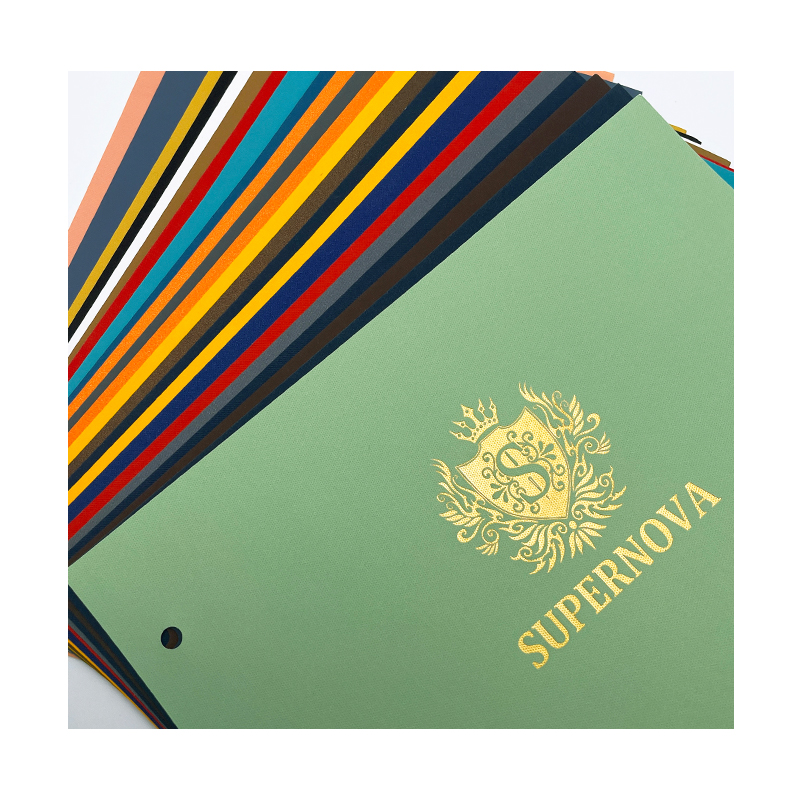
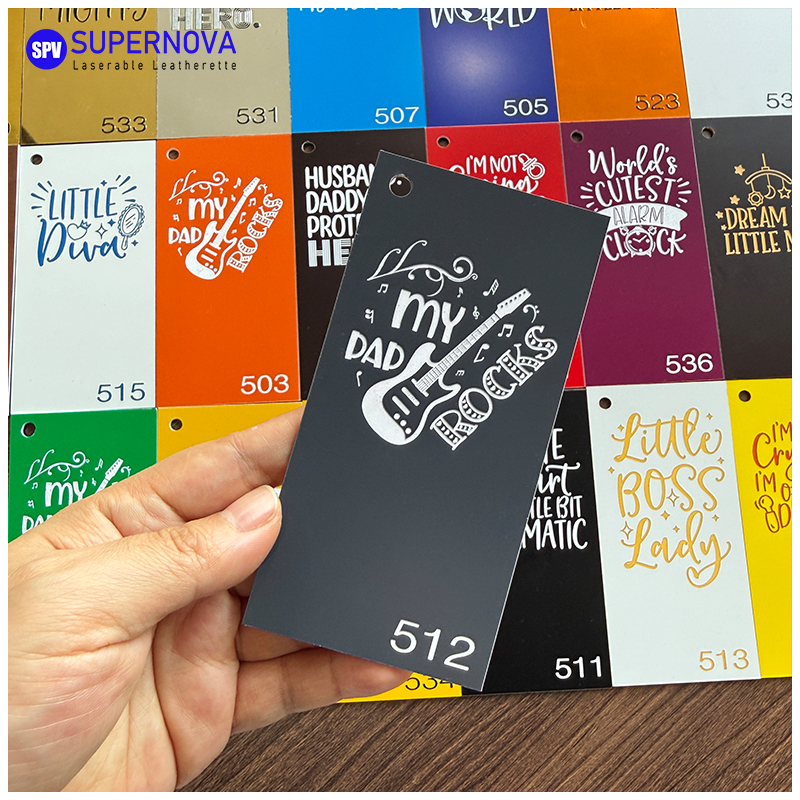
Manufacturers with serious colour management publish reference material and maintain stable batch records. A reliable supplier can show you a leatherette colour chart and explain which colours are stock items and which ones are made to order before you invest in a custom colour programme.
Dimensional and Construction Consistency
Blanks are not only a printing surface; they are physical products with thickness, edges, adhesive and stitching. A 1.8 mm leatherette sheet that feeds smoothly through your cutter this week can jam next week if the supplier changed the batch. Edge finishing matters too: merrow-stitched patches look premium when the stitching is uniform, but inconsistent stitching unravels after the first wash. Check thickness tolerances, adhesive coverage and stitch density before you commit to a long production run.
Durability in Real Use
A blank that prints beautifully but fails after three weeks is a liability. For patches, the key questions are how well the edge holds, whether the surface cracks when flexed, and how the print reacts to washing and weather. For coasters, humidity is the main enemy. For keychains, card holders and badges, mechanical rubbing can wear away the printed layer over time.
Field experience is often more useful than lab claims. It is worth checking how sublimation patches hold up against wear in normal conditions before you scale up a product line that depends on them.
Main Types of Sublimation Blanks Worth Stocking
Once you know what makes a blank perform well, the next step is deciding which categories to carry. The right range depends on your customer base, but several product groups show consistently strong demand across corporate, retail and event markets.
A Full Range of Materials and Supplies
Many buyers start with a single product and quickly discover that the same printer and heat press can handle dozens of other items. That is why a coordinated sublimation materials and supplies range makes sense: it lets you respond to new requests without sourcing from a different supplier every time, and it simplifies the process of matching coatings, sizes and colours across your whole catalogue.
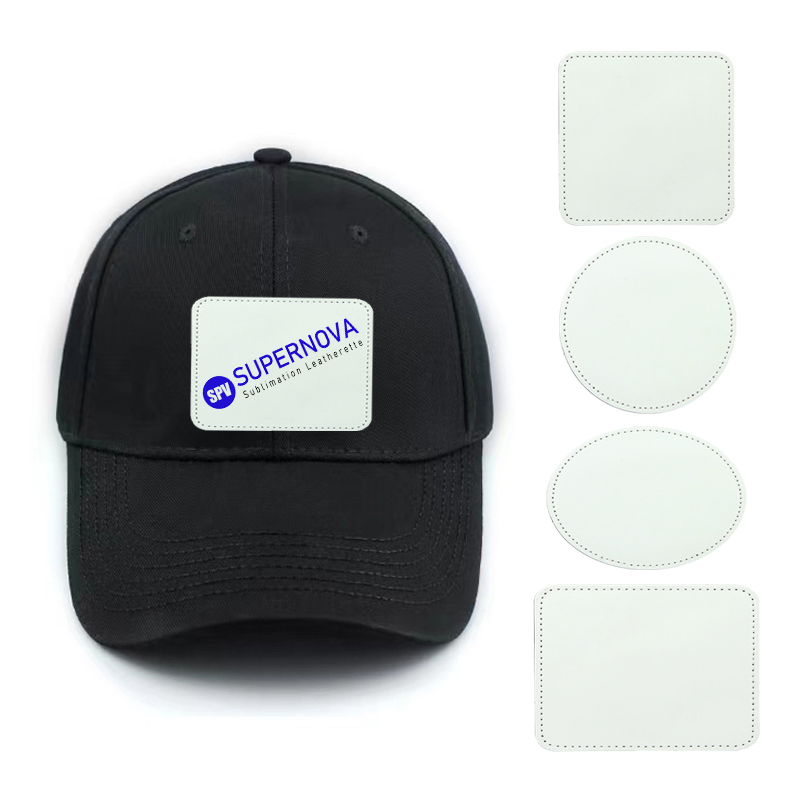 Wholesale Sublimation Materials & Supplies Manufacturers, FactoryAs China Sublimation Materials & Supplies manufacturers and Sublimation Materials & Supplies Factory, Yancheng Supernova Digital Science ...View Product →
Coasters and Drinkware Accessories
Coasters are the classic entry point for sublimation printing. They are compact, affordable, easy to store and quick to press. PU leather coasters with an even, coated surface are especially popular for corporate gifts, bar promotions and hospitality branding. Drinkware accessories, including bottle openers, mug sleeves and flasks, extend the same customer relationship into higher-value purchases. For a practical starting point, sublimation PU leather mug coasters are a dependable volume product that works well for both new and experienced printers.
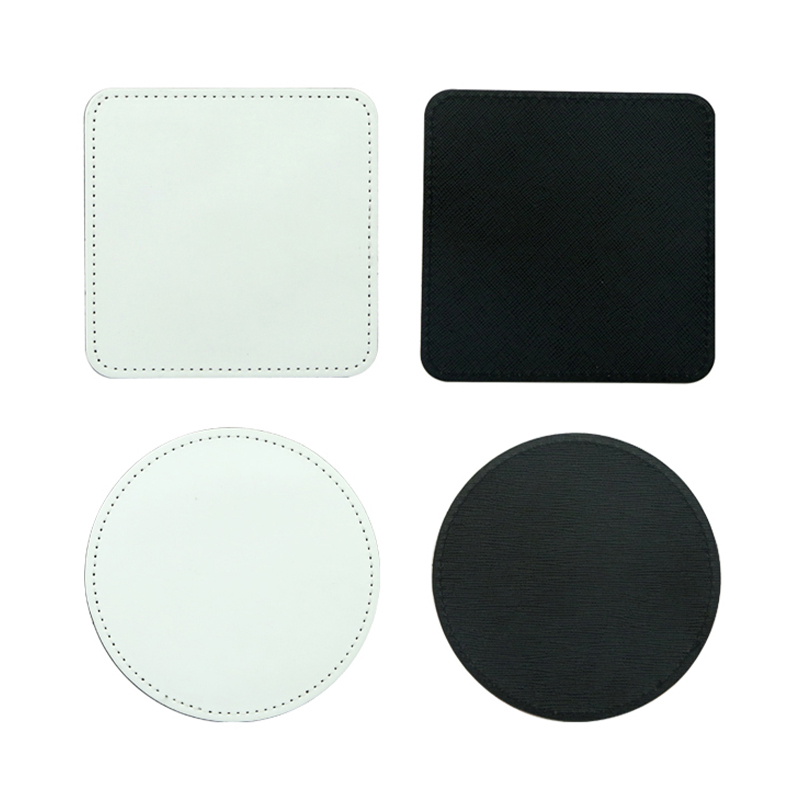 OEM/ODM Sublimation PU Leather Mug Coaster -Round Suppliers, Factory - Yancheng Yancheng Supernova Digital Science & Technology Co., Ltd. is China OEM/ODM Sublimation PU Leather Mug Coaster -Round suppliers and factor...View Product →
Leatherette Patches
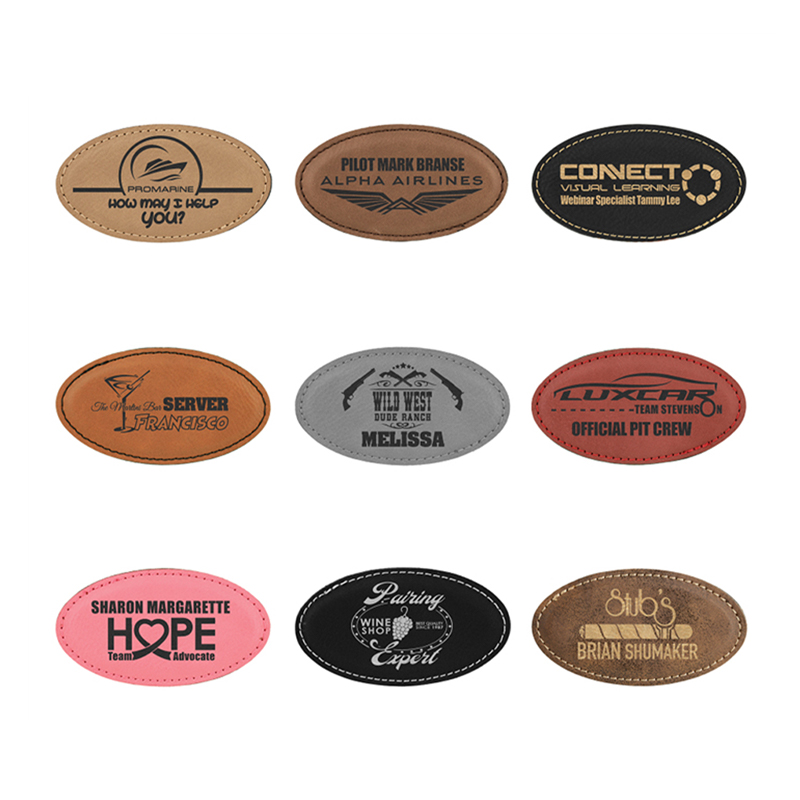
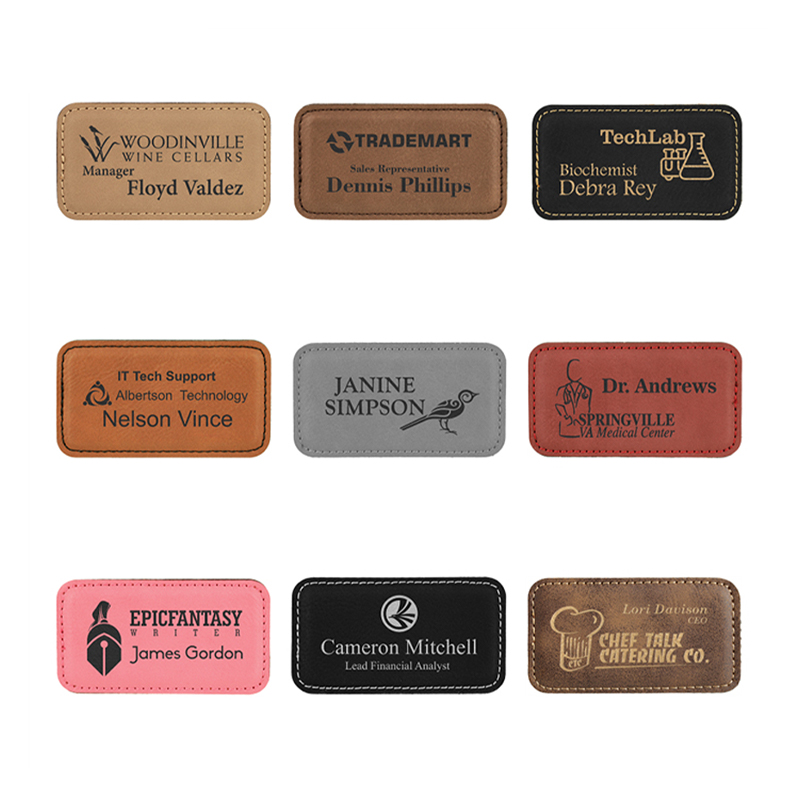
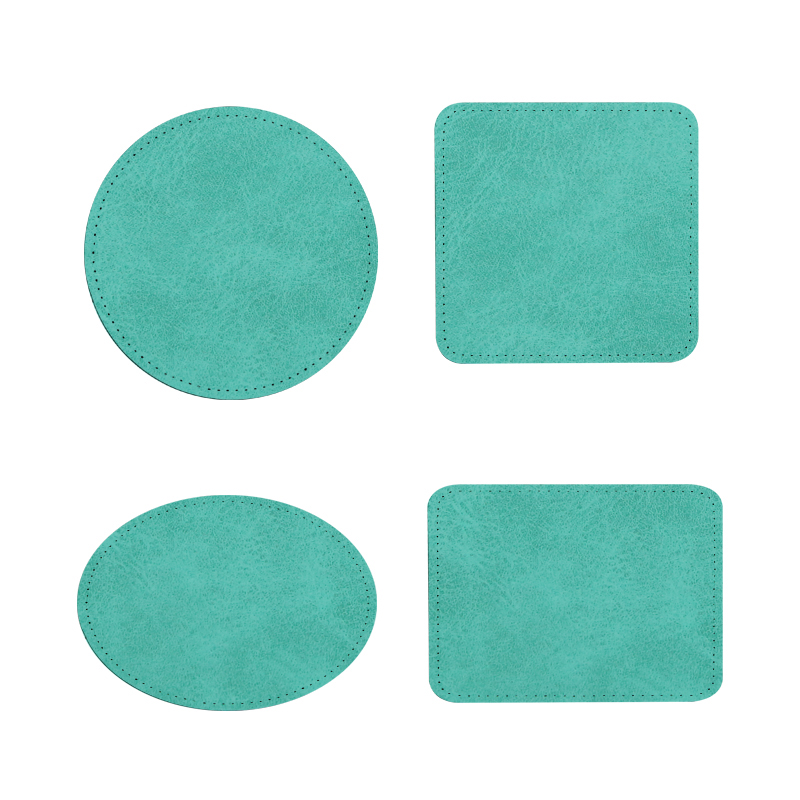
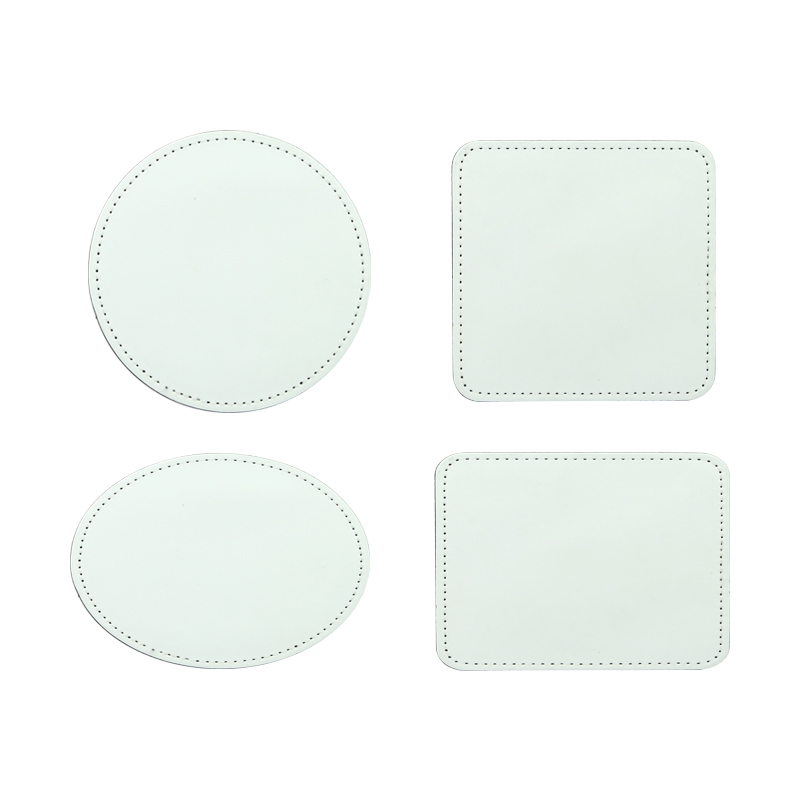
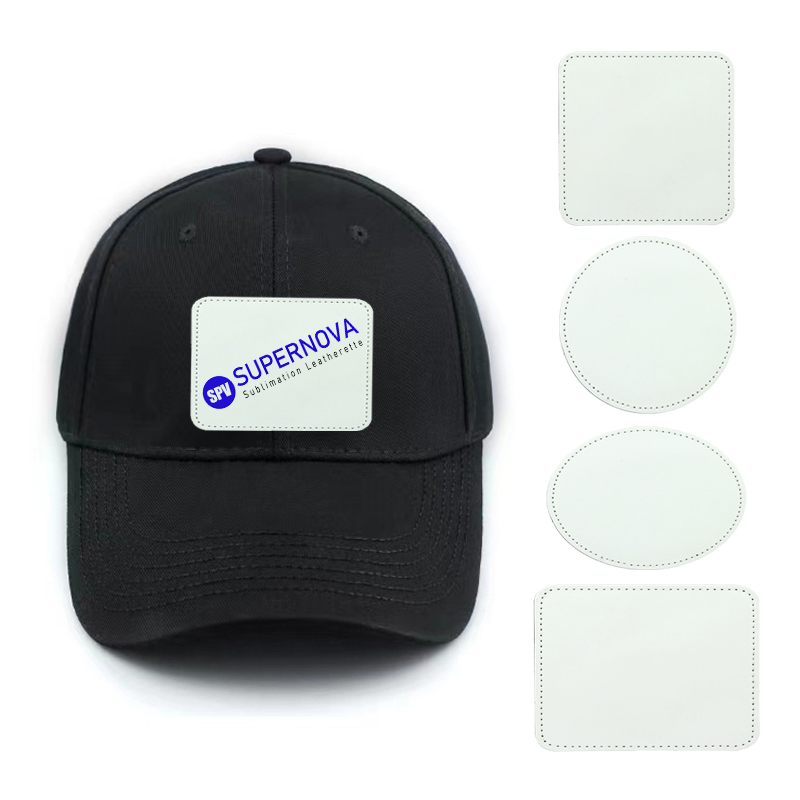
Patches are among the most versatile sublimation blanks available. They come in round, square, oval and hexagonal shapes, with or without adhesive, and with different edge finishes. A 3-inch round patch is the standard choice for hat back patches, while smaller rectangles suit bags, aprons and uniforms. When the patch has a merrow edge and a heat-activated adhesive backing, the finished piece can be applied in seconds. 3-inch sublimation leatherette patches with adhesive offer a practical balance of print area, application speed and durability.
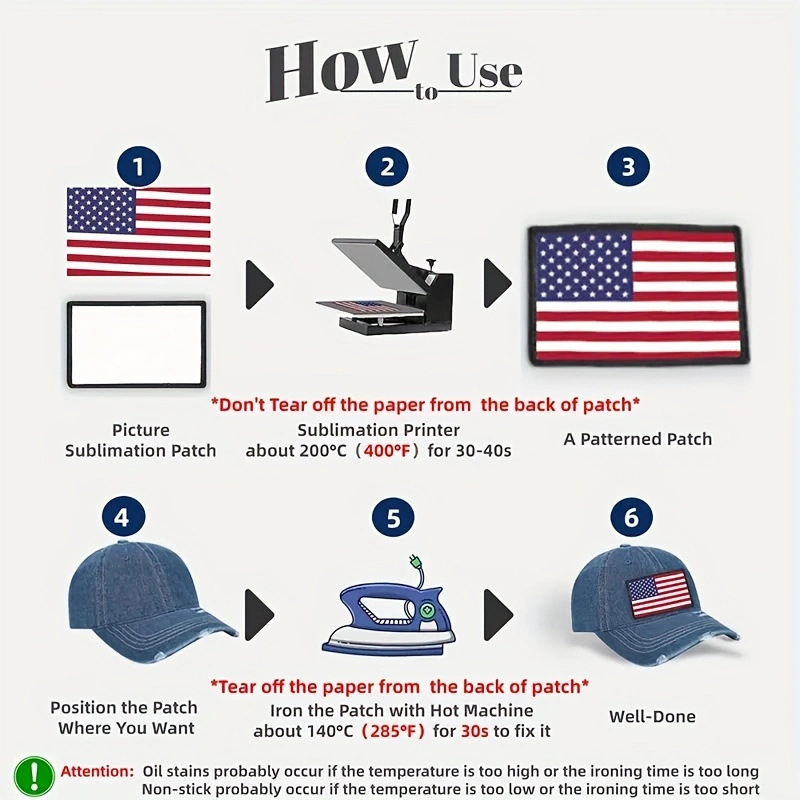 OEM/ODM 3' Round Sublimation Leatherette Patches with Adhesive Suppliers, FactorYancheng Supernova Digital Science & Technology Co., Ltd. is China OEM/ODM 3' Round Sublimation Leatherette Patches with Adhesive supplie...View Product →
Beyond Leather: Jute, Canvas and Fabric
Leatherette is not the only material that works for sublimation. Jute and canvas blanks appeal to customers who want a natural, rustic look, while sublimation fabric patches are ideal for soft goods that need to flex with the garment. Notebooks, portfolios, pet accessories and passport holders round out the range into gift, travel and stationery markets.
One caveat applies to every non-leather material: coating requirements and press temperatures differ, sometimes significantly. Confirm the recommended settings with the manufacturer and test each new material before adding it to your sales catalogue.
How to Evaluate a Sublimation Blank Supplier
The supplier behind your blanks matters as much as the blank itself. A manufacturer with real production experience will answer technical questions more precisely, maintain tighter batch control, and stand behind the product when something goes wrong.
Manufacturing Background Matters
A company that operates its own factory controls the coating chemistry, the cutting process and the quality checks that determine batch consistency. A trading house, by contrast, depends on third-party production and has less ability to correct issues. Look for evidence of in-house manufacturing, a clear product development history and a willingness to discuss technical details such as coating formulas, thickness tolerances and adhesive specifications.
Supernova, for example, started producing sublimation and laser blanks in 2009, built its own factory in 2012, and later expanded from leather materials into laserable acrylic. That kind of production history shows up in the details, including stable colour batches, consistent edge cutting and packaging that protects the blanks during shipment.
Colour Matching and Customisation
Most serious customers eventually request colours outside the standard catalogue. A manufacturer that offers custom colour development is easier to work with than one that only sells stock shades. Review the supplier's colour chart options before you request a custom match; the breadth of the standard range is a useful indicator of how mature their colour system is.
Sample Testing and Batch Traceability
A careful supplier will send pre-production samples and encourage you to test them under your own press. Batch numbers on the packaging, documented colour references and honest communication about lead times all reduce the risk of production surprises. Ask how the supplier handles defects and whether they can trace a faulty batch back to the specific production run. You may not need the answer today, but you will appreciate it the first time a customer returns 500 pieces.
Bottom Line
Sublimation printing materials are more than a collection of consumables. Ink and paper fail in predictable ways, but the blank carries the image from press to customer. Invest time in testing coatings, demand colour consistency across batches and choose a supplier with genuine manufacturing experience. When the blank is right, your printer, ink, paper and heat press can all do their jobs as intended, and your finished products will look the way you designed them to look.
PREV: Embroidery on Laserable Leatherette Sheet Stock: Settings, Threads and Design Tips
NEXT: How does Laserable Leatherette compare to genuine leather in terms of laser engraving detail and consistency?
Contact Us
Your email address will not be published. Required field are marked*
Blog
-
-
Why Choose Laser Engraved Leather Patches for High-Quality Custom Designs? When it comes to custom designs for fashion, branding, and accessories, the materials you choose play a c...
Read More -
Introduction to Laserable Leatherette What Is Laserable Leatherette? Laserable leatherette refers to a type of leatherette material engineered to respond well to laser processing, ...
Read More -
Unveiling the World of Leatherette Coasters: Beyond Basic Tableware Defining the Coaster: An Essential Home Accessory Before delving into the unique advantages of Leatherette Coast...
Read More

-
86-15851089634

-
[email protected]

-
Room 3110, Building 6, Jinrongcheng,5 Shiji Avenue, Yandu District,Yancheng City, Jiangsu Province, China

-
109#, Team 1, Longnian, Nanyang, Tinghu, Yancheng, Jiangsu, China, Zip code: 224000
- QUICK LINKS

