
 English
  Español
  Deutsch


Introduction of Leatherette Pet Collars Briefly introduce leatherette pet collars and their growing popularity. Leatherette pet collars have emerged as a dominant force in the pet ...
Read More
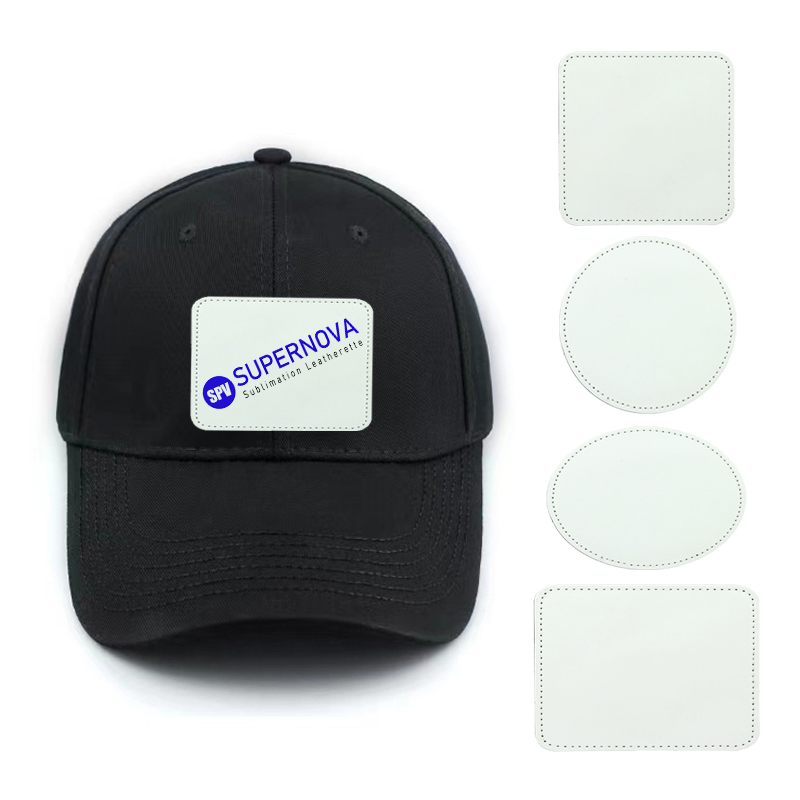
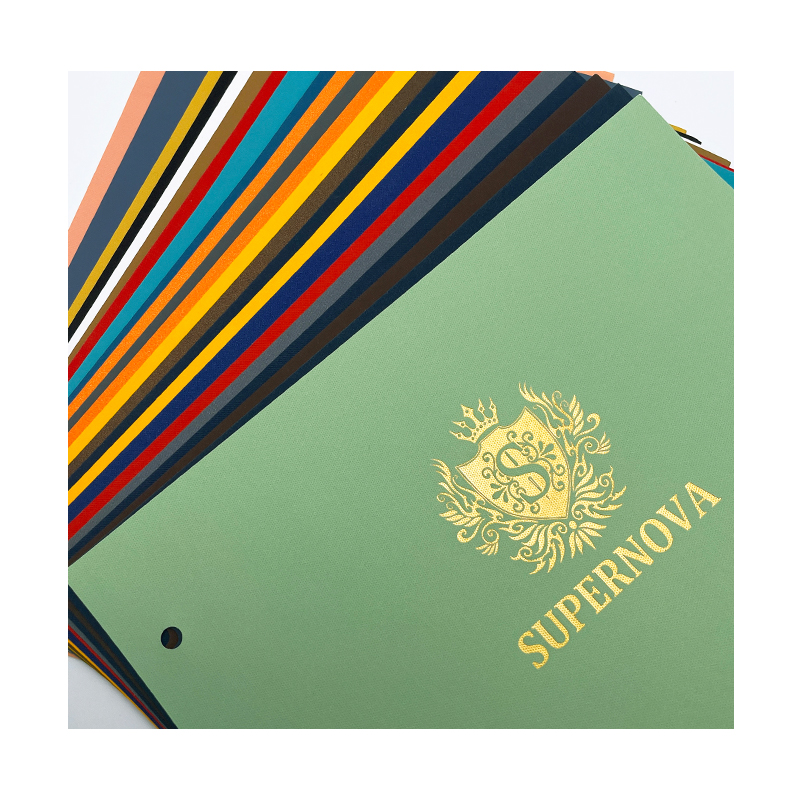
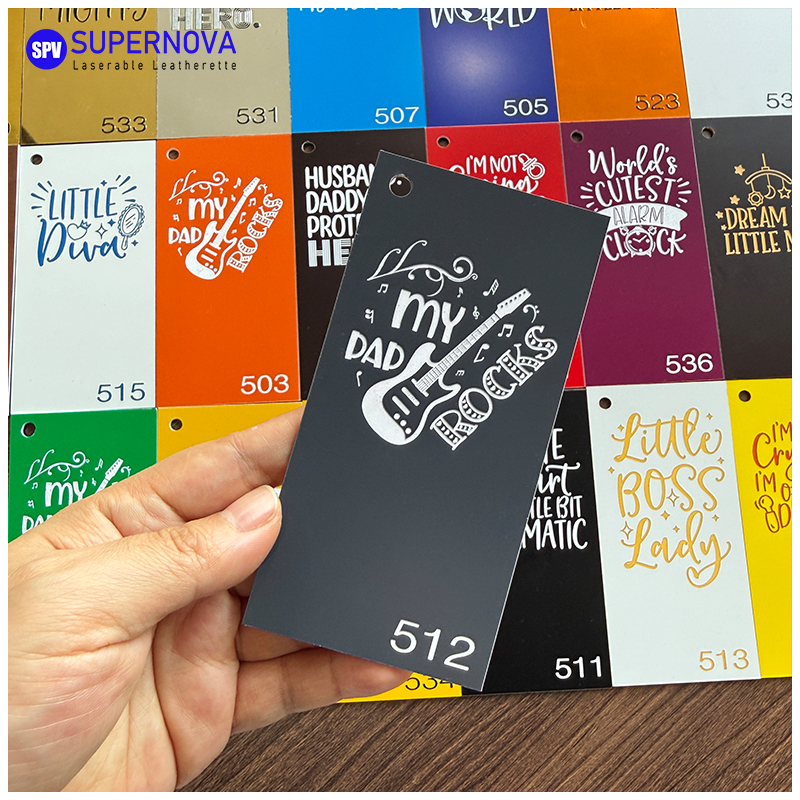
Is a leatherette pet collar easier to clean and maintain than a genuine leather or canvas pet collar?
2026-04-22The leatherette pet collar is generally easier to clean and maintain than both genuine leather and canvas pet collars. Unlike genuine leather, leatherette does not absorb moisture, dirt, or odor into its surface, making it quick to wipe down. Unlike canvas, it does not trap debris in its woven fibers. For busy pet owners who want a low-maintenance yet stylish collar, leatherette is a practical frontrunner.
That said, each material has its own cleaning requirements, strengths, and weaknesses. Understanding these differences helps you choose the right collar for your pet's lifestyle — and keep it in good condition for as long as possible.
What Is a Leatherette Pet Collar Made Of?
A leatherette pet collar is made from synthetic materials — typically a fabric base coated with polyurethane (PU) or polyvinyl chloride (PVC). This construction gives it a leather-like appearance and texture without using animal hide. The non-porous surface coating is the key reason leatherette performs so well in terms of cleanability.
Most leatherette collars on the market today use PU-coated fabric, which is softer, more flexible, and more breathable than PVC alternatives. PVC-coated leatherette tends to be stiffer and more waterproof but can crack in extreme temperatures. Knowing which type of leatherette your collar uses matters when choosing a cleaning method.
How to Clean a Leatherette Pet Collar
Cleaning a leatherette pet collar is straightforward and requires no special products. Here is a simple routine that works for most leatherette collars:
- Remove the collar from your pet and detach any ID tags or charms.
- Dampen a soft cloth or sponge with warm water and a small amount of mild dish soap.
- Wipe down the entire surface of the collar, paying attention to the underside and hardware areas.
- Rinse with a clean damp cloth to remove soap residue.
- Air dry completely before putting it back on your pet. Avoid direct heat sources like hair dryers.
The entire process takes under five minutes — far less time than conditioning a leather collar or machine-washing a canvas one. Stubborn stains can usually be removed with a small amount of rubbing alcohol applied to a cotton pad, though this should be tested on a hidden area first.
How Does Leatherette Compare to Genuine Leather for Cleaning?
Genuine leather pet collars are prized for their durability and classic look, but they demand significantly more maintenance. Leather is a natural, porous material — it absorbs sweat, water, and oils from your pet's fur, which can lead to staining, odor buildup, and eventual cracking if not cared for properly.
Cleaning a genuine leather collar typically involves:
- Using a leather-specific cleaner (not regular soap, which can dry out the hide)
- Applying a leather conditioner every 1–3 months to prevent cracking
- Avoiding full submersion in water, which can cause warping or stiffening
- Allowing extended drying time away from heat
Quality leather conditioners can cost $10–$25 per bottle, adding to the long-term maintenance cost. A leatherette pet collar, by contrast, requires no conditioning products whatsoever — a damp cloth is sufficient for routine care.
How Does Leatherette Compare to Canvas for Cleaning?
Canvas pet collars are popular for their lightweight feel and wide range of colors and patterns. However, their woven textile construction creates a significant cleaning challenge: dirt, mud, pet dander, and bacteria can become embedded in the fabric fibers.
Canvas collars typically need to be:
- Scrubbed with a brush and pet-safe detergent to remove embedded grime
- Soaked in warm water for several minutes before cleaning
- Air dried for several hours, as they retain moisture much longer than leatherette
- Replaced more frequently if odor becomes persistent — canvas is notoriously prone to holding smell
Canvas collars can take 4–8 hours to fully air dry, which is impractical if your pet needs their collar for daily walks. A leatherette pet collar is dry and ready to use in under 30 minutes in most conditions.
Side-by-Side Maintenance Comparison
The table below summarizes the key maintenance differences between the three collar materials:
| Feature | Leatherette Collar | Genuine Leather Collar | Canvas Collar |
|---|---|---|---|
| Cleaning Method | Damp wipe | Leather cleaner + conditioner | Scrub + soak |
| Dry Time | Under 30 minutes | 1–2 hours | 4–8 hours |
| Special Products Needed | None | Yes ($10–$25) | Pet-safe detergent |
| Odor Resistance | High | Medium | Low |
| Water Resistance | High | Low | Low |
| Conditioning Required | No | Yes (every 1–3 months) | No |
Limitations of Leatherette Pet Collars to Know
While leatherette wins on ease of cleaning, it is not without its drawbacks. Being informed helps you set realistic expectations:
- Surface peeling: Lower-quality leatherette collars may begin to peel or flake after 12–18 months of regular use, especially at flex points. Genuine leather, when properly conditioned, can last 5+ years.
- Heat sensitivity: PVC-based leatherette can stiffen or crack in very cold weather and may become tacky in extreme heat.
- Breathability: The synthetic coating means less airflow against your pet's neck compared to canvas or uncoated fabric options.
- Environmental impact: Leatherette is not biodegradable, whereas untreated canvas decomposes more naturally.
For pets that swim frequently or live in very hot climates, a high-quality biothane or waterproof nylon collar may outperform leatherette in long-term durability — though they still cannot match leatherette's aesthetic appeal.
Tips for Extending the Life of Your Leatherette Pet Collar
Good maintenance habits can significantly extend how long your leatherette pet collar stays in great condition:
- Wipe the collar down with a damp cloth at least once a week if your pet is active outdoors.
- Remove the collar during swimming or bathing sessions to reduce prolonged water exposure at the seams and hardware.
- Store the collar away from direct sunlight when not in use to prevent UV-related fading or cracking.
- Inspect the buckle and D-ring monthly for rust or loosening — replacing hardware early prevents collar failure.
- Avoid using harsh chemical cleaners such as bleach, acetone, or alcohol-based sprays regularly, as these can degrade the surface coating.
Who Should Choose a Leatherette Pet Collar?
A leatherette pet collar is the right choice if you prioritize convenience without compromising on style. It is particularly well-suited for:
- Busy pet owners who want a collar they can clean in minutes rather than hours
- Pet owners on a budget who want a leather-look collar without the cost of genuine leather or conditioning products
- Vegan or ethically minded owners seeking an animal-free alternative to genuine leather
- Pets with moderate activity levels who are not constantly in water or mud
If your dog is a heavy chewer, a frequent swimmer, or an extremely active working dog, you may want to pair your leatherette collar with a more rugged backup option. But for everyday use and ease of care, a leatherette pet collar remains one of the most practical choices available on the market today.
PREV: How does the adhesive strength of Hex Leatherette Patches compare to traditional woven fabric patches when applied to high-stress garment areas like elbows or knees?
NEXT: How do sublimation office and tech accessories hold up against common cleaning agents and disinfectants?
Contact Us
Your email address will not be published. Required field are marked*
Blog
-
-
Why Choose Laser Engraved Leather Patches for High-Quality Custom Designs? When it comes to custom designs for fashion, branding, and accessories, the materials you choose play a c...
Read More -
Introduction to Laserable Leatherette What Is Laserable Leatherette? Laserable leatherette refers to a type of leatherette material engineered to respond well to laser processing, ...
Read More -
Unveiling the World of Leatherette Coasters: Beyond Basic Tableware Defining the Coaster: An Essential Home Accessory Before delving into the unique advantages of Leatherette Coast...
Read More

-
86-15851089634

-
[email protected]

-
Room 3110, Building 6, Jinrongcheng,5 Shiji Avenue, Yandu District,Yancheng City, Jiangsu Province, China

-
109#, Team 1, Longnian, Nanyang, Tinghu, Yancheng, Jiangsu, China, Zip code: 224000
- QUICK LINKS

