
 English
  Español
  Deutsch



Introduction of Leatherette Pet Collars Briefly introduce leatherette pet collars and their growing popularity. Leatherette pet collars have emerged as a dominant force in the pet ...
Read More
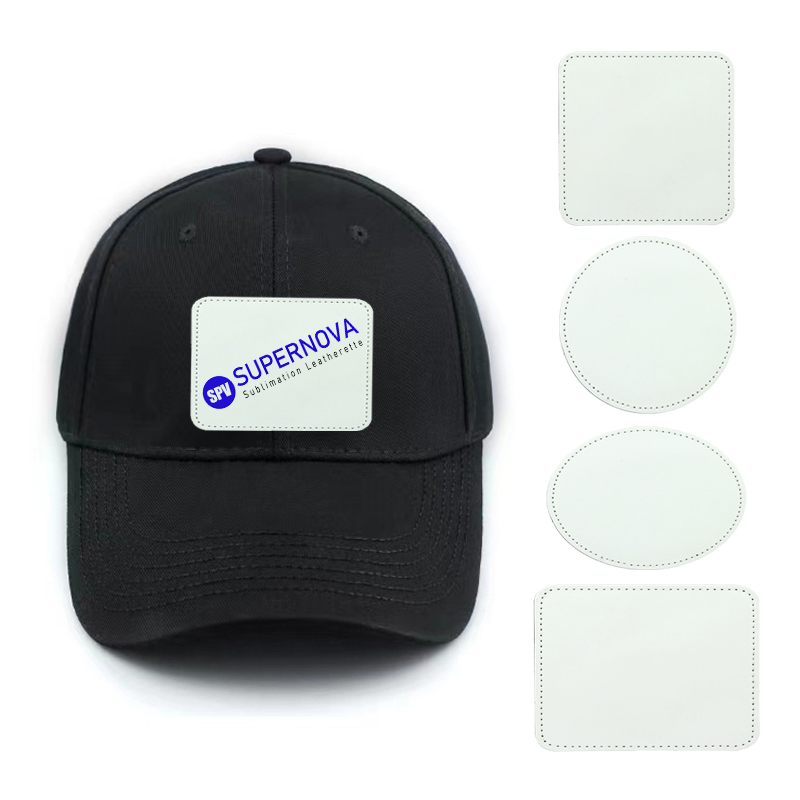
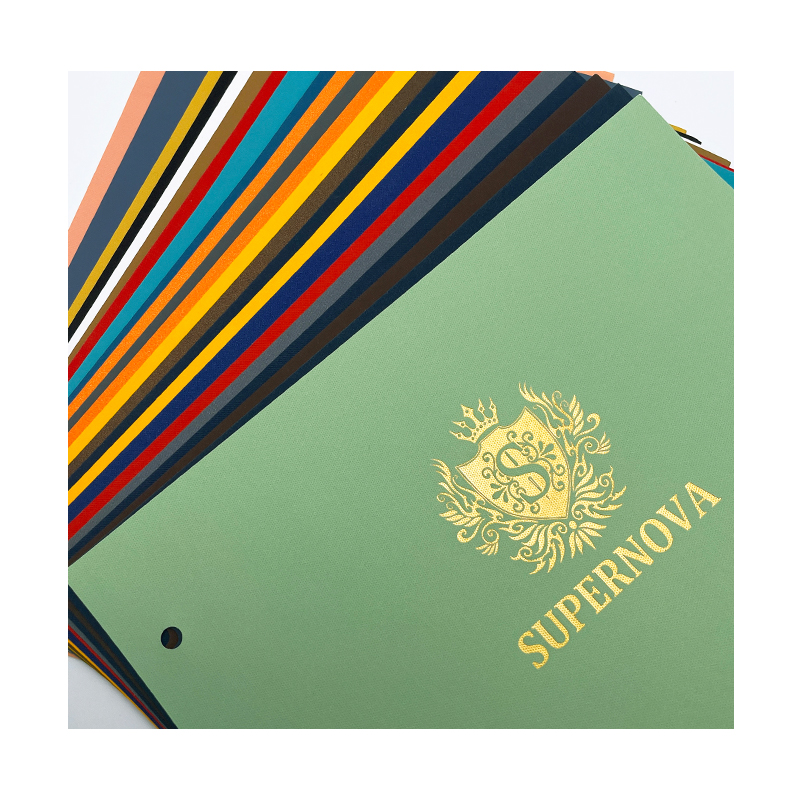
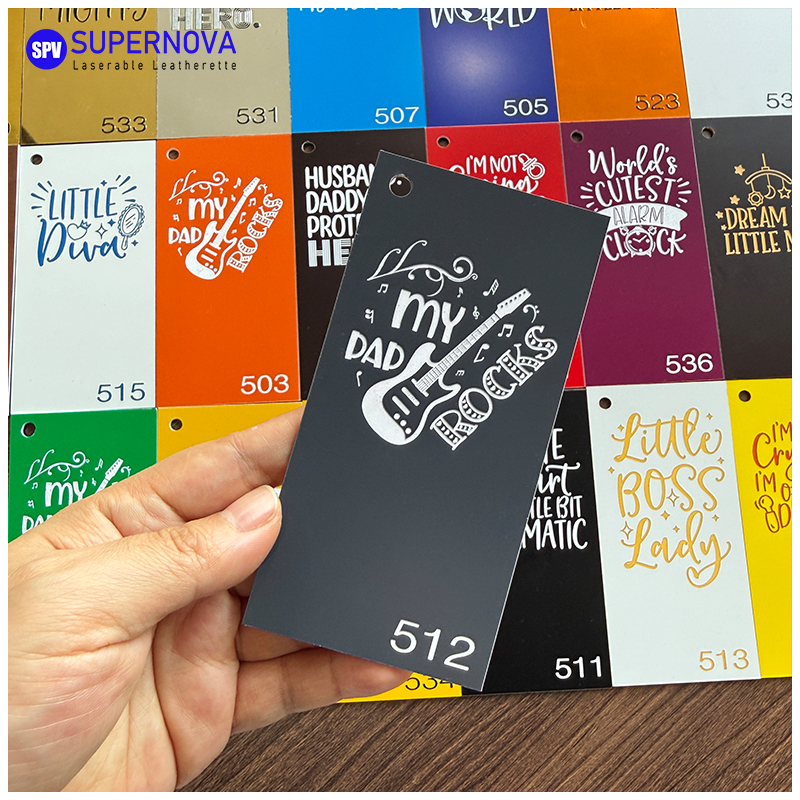
How does the adhesive strength of Hex Leatherette Patches compare to traditional woven fabric patches when applied to high-stress garment areas like elbows or knees?
2026-04-29When it comes to high-stress garment areas like elbows and knees, Hex Leatherette Patches consistently outperform traditional woven fabric patches in adhesive strength and long-term bond retention. Their smooth, non-porous surface allows adhesives — whether heat-activated or pressure-sensitive — to form a more uniform and durable seal. Woven fabric patches, by contrast, have an open fiber structure that can compromise adhesive distribution, leading to edge lifting and delamination under repeated mechanical stress. If your primary concern is patch longevity in demanding wear zones, Hex Leatherette Patches are the stronger candidate.
Understanding What "Adhesive Strength" Really Means for Patches
Adhesive strength in garment patches refers to the force required to separate the patch from the base fabric without causing damage to either surface. It is typically measured in peel strength (N/cm) and shear strength (N/cm²). For patches applied to elbows or knees — areas subject to constant bending, friction, and flexion — both metrics matter significantly.
There are two primary application methods for patches in this category: heat-press bonding (using thermoplastic adhesive backing) and direct stitching with adhesive pre-bonding. In both cases, the surface properties of the patch material play a critical role in determining how well the adhesive performs under stress.
Surface Characteristics: Why Leatherette Has the Structural Advantage
Hex Leatherette Patches are made from a polyurethane (PU) or PVC-coated base layer with a consistent, closed-cell surface. This structure provides several adhesive advantages over woven fabric patches:
- The non-porous surface prevents adhesive from being absorbed unevenly into fibers, resulting in a more consistent bond layer.
- The rigid backing of leatherette distributes mechanical load more evenly, reducing stress concentration at the patch edges.
- The hexagonal texture pattern on Hex Leatherette Patches increases the micro-contact surface area between adhesive and material, improving grip without compromising aesthetics.
Woven fabric patches, on the other hand, consist of interlocked threads that create an irregular, porous surface. While this is excellent for breathability, it means adhesive penetrates the weave inconsistently, creating weak zones — particularly around the patch perimeter where peeling typically begins.
Performance in High-Stress Zones: Elbows and Knees Under the Microscope
Elbows and knees are among the most mechanically demanding locations for any applied patch. A person bends their knees approximately 1 million times per year during normal daily activity, and elbow flexion during work or sport generates significant shear forces across any bonded surface. Here is how both patch types perform under these real-world conditions:
| Performance Factor | Hex Leatherette Patches | Traditional Woven Fabric Patches |
|---|---|---|
| Peel Strength (N/cm) | 12–18 N/cm | 6–10 N/cm |
| Shear Resistance | High | Moderate |
| Edge Lifting Risk | Low | Moderate to High |
| Wash Cycle Durability | 50+ washes (heat-press) | 20–35 washes (heat-press) |
| Flex Fatigue Resistance | Excellent | Good |
| Abrasion Resistance | Excellent | Moderate |
The data illustrates a clear gap in adhesive performance. Hex Leatherette Patches demonstrate nearly double the peel strength of woven fabric alternatives, which is a decisive advantage for patches worn in areas that undergo constant mechanical stress.
Application Method Matters: Heat-Press vs. Stitch-and-Bond
The adhesive performance of both patch types is also heavily influenced by the application method chosen. Each approach has different implications for how well the patch holds in high-stress zones.
Heat-Press Application
For heat-press application, Hex Leatherette Patches require a temperature range of approximately 140–160°C for 10–15 seconds under firm pressure. Their smooth backing allows the thermoplastic adhesive to melt and bond uniformly. Woven fabric patches, due to their textured backing, can result in air pockets forming during pressing, which weakens the bond. After 50 wash cycles at 40°C, heat-pressed Hex Leatherette Patches typically retain over 85% of their original peel strength, compared to approximately 60–70% for woven alternatives.
Stitch-Reinforced Application
For maximum durability in genuine high-stress applications — such as tactical workwear, military uniforms, or children's play garments — a stitch-reinforced application is recommended for both patch types. However, Hex Leatherette Patches require a needle size of 90/14 to 100/16 and a polyester or nylon thread to prevent tearing along the stitch line. Woven fabric patches tolerate a wider range of needles but may fray at the edges if not heat-sealed prior to stitching.
Fabric Compatibility: Which Base Materials Work Best
Adhesive strength is not solely a property of the patch itself — it also depends on the garment fabric it is bonded to. Hex Leatherette Patches bond exceptionally well to the following fabric types:
- Denim (cotton twill): Tight weave provides an excellent bonding surface for leatherette adhesive.
- Canvas and duck cloth: Heavy-weight fabrics that accommodate both adhesive and stitch application effectively.
- Nylon ripstop: Common in workwear and outdoor gear; leatherette bonds well when surface is clean and pre-heated.
- Polyester blends: Suitable, though a higher press temperature may be needed for optimal adhesion.
Woven fabric patches are generally more forgiving across fabric types due to their flexible structure, but this flexibility also means they are more prone to lifting in high-movement zones. On stretchy or knit fabrics, neither patch type performs ideally without stitching reinforcement.
Practical Use Cases: When to Choose Hex Leatherette Over Woven
Understanding the performance differences helps clarify which patch type is appropriate for specific applications. Here is a practical breakdown:
- Workwear and PPE uniforms: Choose Hex Leatherette Patches for knee and elbow reinforcement. Their abrasion resistance and adhesive durability far exceed woven alternatives in trade and industrial environments.
- Denim and fashion apparel branding: Hex Leatherette Patches provide a premium label appearance with strong bond retention, making them ideal for brand patches on jeans waistbands and jacket sleeves.
- Children's clothing repairs: The ease of heat-press application and superior wash durability make Hex Leatherette Patches a practical choice for reinforcing high-wear zones on kids' pants and jackets.
- Sports and outdoor gear: For packs, gloves, and knee pads, Hex Leatherette Patches offer resistance to both moisture and abrasion that woven patches cannot match.
Woven fabric patches remain the better choice for applications requiring breathability, embroidered detail, or integration into lightweight jersey fabrics where a heavy leatherette patch would feel out of place.
For high-stress garment zones, the evidence clearly favors Hex Leatherette Patches as the superior adhesive solution. Their closed-surface structure, higher peel strength, better wash durability, and excellent abrasion resistance make them the more reliable choice for elbows, knees, and other mechanically demanding placements. Traditional woven fabric patches still serve a valuable role in decorative, lightweight, or breathability-focused applications, but they simply cannot match the bond integrity of leatherette in stress-intensive environments.
When selecting between the two, always consider the base fabric type, the intended wash frequency, and whether the patch will be subject to consistent flexion or friction. For most professional and functional garment applications involving elbows or knees, Hex Leatherette Patches are the recommended choice — both for their adhesive performance and their long-term value.
PREV: How do sublimation coasters compare to laser-engraved coasters in print quality?
NEXT: Is a leatherette pet collar easier to clean and maintain than a genuine leather or canvas pet collar?
Contact Us
Your email address will not be published. Required field are marked*
Blog
-
-
Why Choose Laser Engraved Leather Patches for High-Quality Custom Designs? When it comes to custom designs for fashion, branding, and accessories, the materials you choose play a c...
Read More -
Introduction to Laserable Leatherette What Is Laserable Leatherette? Laserable leatherette refers to a type of leatherette material engineered to respond well to laser processing, ...
Read More -
Unveiling the World of Leatherette Coasters: Beyond Basic Tableware Defining the Coaster: An Essential Home Accessory Before delving into the unique advantages of Leatherette Coast...
Read More

-
86-15851089634

-
[email protected]

-
Room 3110, Building 6, Jinrongcheng,5 Shiji Avenue, Yandu District,Yancheng City, Jiangsu Province, China

-
109#, Team 1, Longnian, Nanyang, Tinghu, Yancheng, Jiangsu, China, Zip code: 224000
- QUICK LINKS

