
 English
  Español
  Deutsch

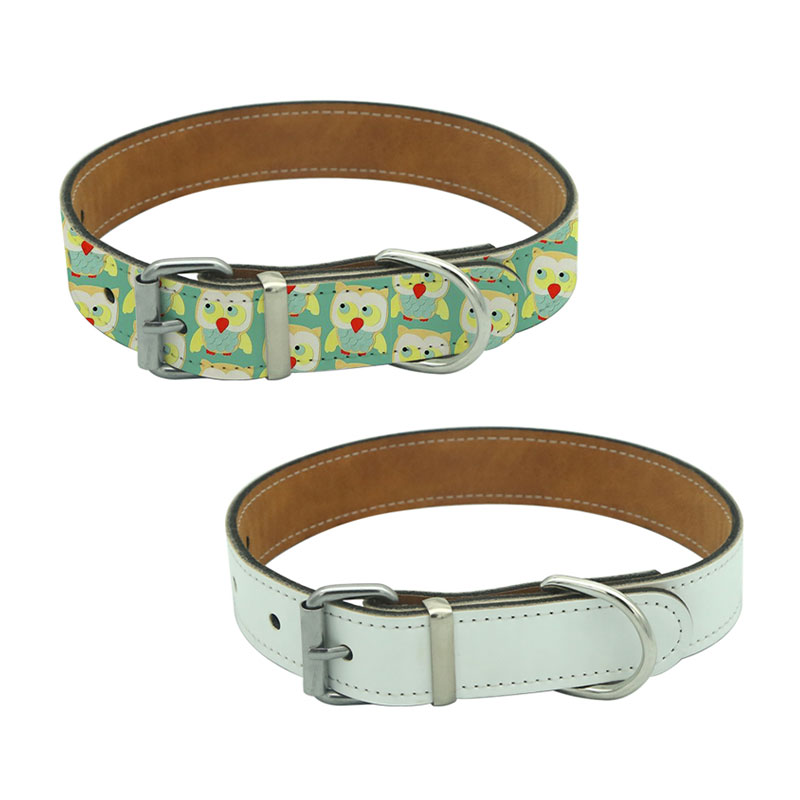
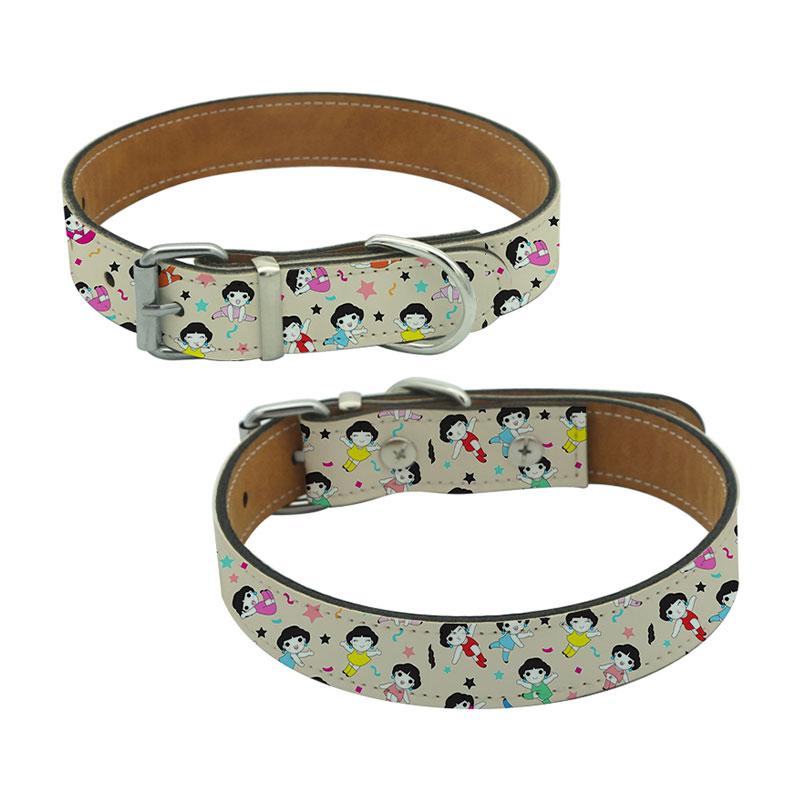
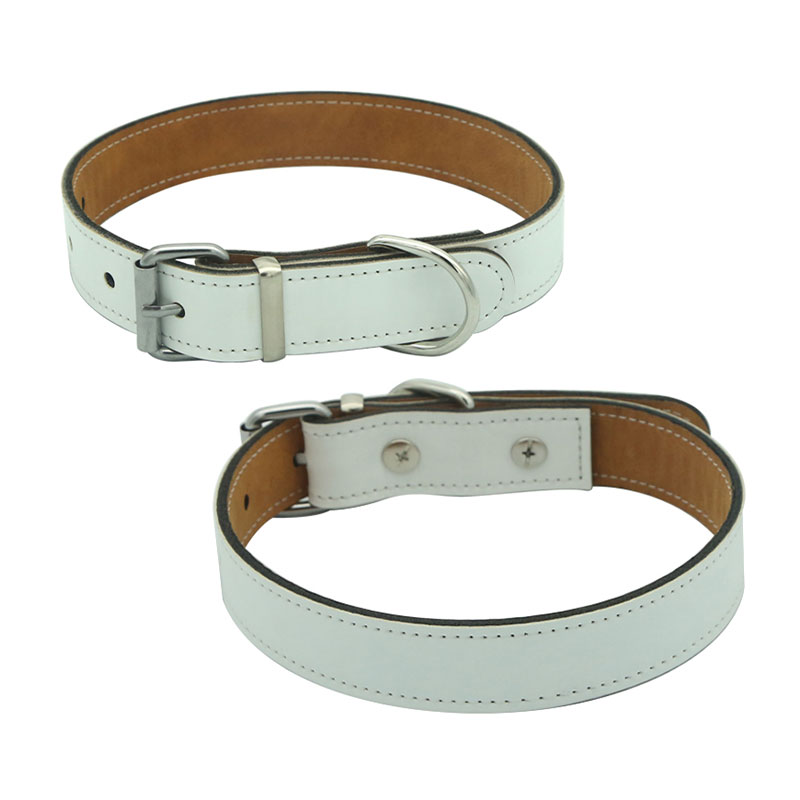
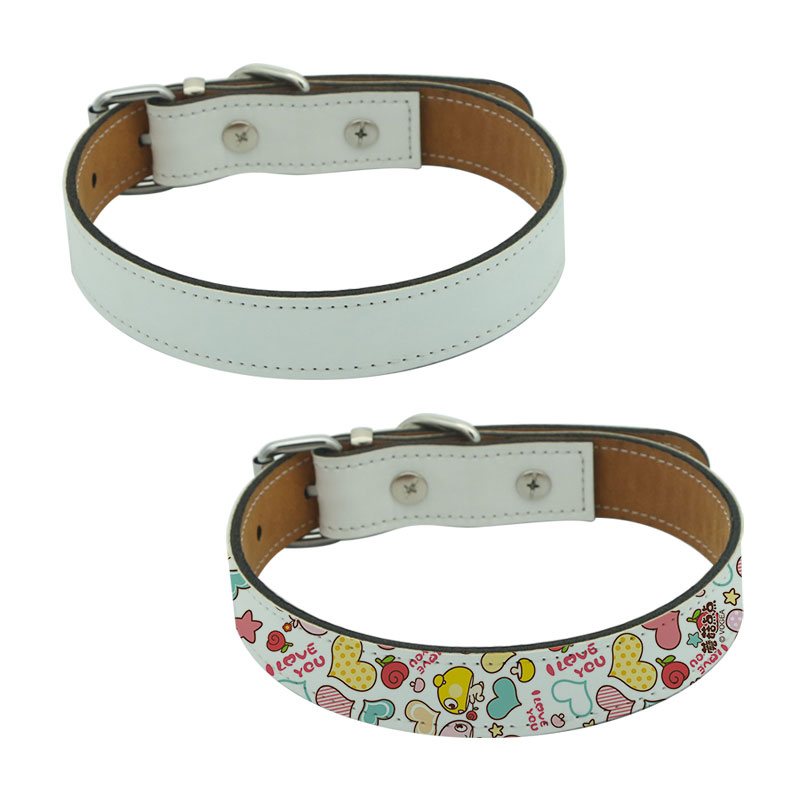
Introduction of Leatherette Pet Collars Briefly introduce leatherette pet collars and their growing popularity. Leatherette pet collars have emerged as a dominant force in the pet ...
Read More
How do sublimation office and tech accessories hold up against common cleaning agents and disinfectants?
2026-04-15Sublimation office and tech accessories generally hold up well against mild cleaning agents, but can degrade noticeably when exposed to harsh disinfectants containing bleach, acetone, or high-concentration alcohol. The durability of the sublimation print depends heavily on the substrate material, the quality of the dye infusion process, and the type of cleaning product used. Understanding these factors is essential for anyone purchasing or managing sublimation office and tech accessories in a professional workspace.
Why Material Composition Determines Chemical Resistance
Sublimation printing works by infusing dye directly into polymer-based substrates under heat and pressure. This means the print is not a surface layer — it becomes part of the material itself. As a result, polyester-coated sublimation office and tech accessories are significantly more resistant to cleaning agents than those with vinyl overlays or screen-printed surfaces.
Common sublimation substrates used in office and tech accessories include:
- Polyester fabric (mouse pads, desk mats, wrist rests)
- Polymer-coated aluminum (phone stands, badge holders, name plates)
- Hard plastic shells with polyester coating (laptop sleeves, cable organizers)
- Neoprene blends (tablet sleeves, tech pouches)
Each of these materials reacts differently to chemical exposure. Neoprene and polyester fabric items are among the most forgiving, while polymer-coated hard surfaces can crack or discolor if exposed to concentrated chemical cleaners repeatedly.
How Different Cleaning Agents Affect Sublimation Office and Tech Accessories
Not all disinfectants and cleaning products pose the same level of risk. The table below summarizes how the most commonly used cleaning agents interact with sublimation office and tech accessories:
| Cleaning Agent | Concentration | Effect on Sublimation Print | Risk Level |
|---|---|---|---|
| Isopropyl Alcohol (IPA) | Up to 70% | Minimal fading with occasional use | Low–Moderate |
| Isopropyl Alcohol (IPA) | 90%+ | Accelerated color degradation | High |
| Bleach-based Disinfectants | Any | Severe bleaching and coating damage | Very High |
| Mild Soap and Water | Diluted | No visible effect under normal use | Very Low |
| Quaternary Ammonium (Quat) Wipes | Standard | Safe for hard surfaces; mild risk on fabric | Low |
| Acetone / Solvent Cleaners | Any | Immediate coating dissolution | Extreme |
| Hydrogen Peroxide Wipes | 3% | Slight oxidation risk over time | Moderate |
Real-World Performance in High-Sanitation Office Environments
During and after the COVID-19 pandemic, office hygiene protocols became significantly more rigorous. Many facilities introduced daily disinfection routines using EPA-registered disinfectants — many of which contain quaternary ammonium compounds or hydrogen peroxide. In practice, sublimation office and tech accessories wiped down with standard quaternary ammonium wipes up to once per day showed no measurable color loss after 6 months of use in controlled product testing environments.
However, accessories that were wiped with 90% IPA multiple times daily began showing visible color shift at the edges and high-contact zones within 8–12 weeks. This is particularly relevant for sublimation office and tech accessories like branded mouse pads, keyboard wrist rests, and desk organization panels that receive the most physical contact during a workday.
Fabric vs. Hard-Surface Sublimation Tech Accessories: A Key Distinction
When evaluating chemical resistance, it is important to distinguish between fabric-based and hard-surface sublimation office and tech accessories, as their responses to cleaning agents differ substantially.
Fabric-Based Accessories
Items such as sublimation desk mats, mouse pads, and neoprene tech pouches have a degree of natural chemical resistance due to the dye being embedded within the fabric fibers. These items can typically withstand pH-neutral cleaners and diluted disinfectants without significant print degradation. Harsh scrubbing or soaking, however, can loosen fibers and cause edge fraying that indirectly affects print appearance.
Hard-Surface Accessories
Sublimation office and tech accessories on polymer-coated aluminum or plastic — such as monitor nameplates, badge holders, and phone stands — are more vulnerable to chemical exposure at the coating layer. If the polyester coating is compromised by solvents or high-concentration alcohol, the dye layer underneath becomes exposed and prone to rapid fading. For these items, dry wiping with a microfiber cloth is the recommended primary cleaning method, with chemical agents used sparingly.
Best Practices for Cleaning Sublimation Office and Tech Accessories
To extend the lifespan and visual quality of sublimation office and tech accessories in a professional environment, the following cleaning protocol is recommended:
- Use a dry microfiber cloth for daily dust and debris removal on all hard-surface sublimation accessories.
- For sanitization, use pre-moistened quaternary ammonium wipes (not soaked) once per day maximum on fabric-based accessories.
- For hard-surface sublimation office and tech accessories, apply 70% IPA solution sparingly with a cloth — never spray directly onto the surface.
- Avoid bleach, acetone, or solvent-based products on any sublimation-printed surface under all circumstances.
- Allow accessories to air dry completely before returning them to use to prevent moisture-related substrate warping.
- For washable fabric sublimation accessories, use cold water and a mild detergent on a gentle machine cycle, and avoid tumble drying.
How Print Quality and Production Standards Impact Chemical Resistance
Not all sublimation office and tech accessories are manufactured to the same standard. The chemical resistance of any given item is directly tied to two production factors: the temperature and pressure used during the sublimation process, and the quality of the polyester coating on the substrate.
Professional-grade sublimation requires temperatures between 180°C and 210°C (356°F–410°F) and pressure settings calibrated to the specific substrate. When these parameters are correctly applied, the dye molecules fully penetrate the polymer structure, creating a bond that is far more resistant to chemical degradation. Accessories produced at lower temperatures or with substandard substrates will show faster color loss when exposed to even mild disinfectants.
When sourcing sublimation office and tech accessories for corporate or long-term use, it is advisable to request product specification sheets that confirm the sublimation temperature used and the coating material on hard-surface items. A high-quality sublimation desk mat from a reputable supplier should maintain 90% or more of its original color vibrancy after 12 months of standard office use with appropriate cleaning.
What to Look for When Buying Cleaning-Resistant Sublimation Office and Tech Accessories
If chemical resistance is a priority — for example, in healthcare-adjacent offices, laboratories, or high-traffic shared workspaces — look for the following specifications when evaluating sublimation office and tech accessories:
- 100% polyester substrate for fabric items (not polyester blends, which may respond inconsistently to dye infusion)
- UV-resistant sublimation inks, which also tend to have improved chemical resistance compared to standard dye formulations
- Sealed or laminated edges on hard-surface accessories to prevent cleaning agents from seeping beneath the coating at vulnerable border zones
- Manufacturer-provided care instructions specifically addressing disinfectant compatibility — a sign of a supplier who has tested their product in real-world conditions
- ISO or SGS compliance documentation for material safety and print quality, especially important for branded corporate merchandise programs
Final Takeaway
Sublimation office and tech accessories offer strong resistance to everyday cleaning when the right agents are used and the products are manufactured to a professional standard. Mild soap, diluted disinfectant wipes, and low-concentration alcohol are all acceptable for regular use, while bleach, acetone, and high-percentage solvents should be strictly avoided. Choosing accessories made with quality polyester substrates and proper sublimation parameters is the single most effective way to ensure both print longevity and hygiene compliance in a professional office setting.
PREV: Is a leatherette pet collar easier to clean and maintain than a genuine leather or canvas pet collar?
NEXT: How do Sublimation Leatherette Patches perform under repeated washing cycles?
Contact Us
Your email address will not be published. Required field are marked*
Blog
-
-
Why Choose Laser Engraved Leather Patches for High-Quality Custom Designs? When it comes to custom designs for fashion, branding, and accessories, the materials you choose play a c...
Read More -
Introduction to Laserable Leatherette What Is Laserable Leatherette? Laserable leatherette refers to a type of leatherette material engineered to respond well to laser processing, ...
Read More -
Unveiling the World of Leatherette Coasters: Beyond Basic Tableware Defining the Coaster: An Essential Home Accessory Before delving into the unique advantages of Leatherette Coast...
Read More

-
86-15851089634

-
[email protected]

-
Room 3110, Building 6, Jinrongcheng,5 Shiji Avenue, Yandu District,Yancheng City, Jiangsu Province, China

-
109#, Team 1, Longnian, Nanyang, Tinghu, Yancheng, Jiangsu, China, Zip code: 224000
- QUICK LINKS

