 English
  Español
  Deutsch
Print Craft — A Comparison
Beneath the Surface, or On It
Two coasters can look identical on day one. What separates them is where the color actually lives — and that single fact decides everything about how each one ages.
A sublimation coaster differs from a regular printed coaster because the image on a sublimation coaster becomes permanently embedded within the material itself, while a regular printed coaster only has ink sitting on top of the surface. This single distinction explains nearly every practical difference between the two: how long the design lasts, how it handles moisture, how vibrant the colors appear, and how much abuse the coaster can withstand before showing wear.
Regular printed coasters typically rely on inkjet printing, screen printing, or adhesive vinyl decals applied directly to a finished surface. Sublimation coasters, by contrast, use heat and pressure to convert dye into a gas that fuses into a polymer-coated material such as ceramic or glass. Once cooled, the design is not a layer sitting on the coaster; it is part of the coaster.
The Process
How Each Printing Method Actually Works
Understanding the mechanical difference between the two processes makes it easier to see why their results diverge so significantly in everyday use.
Regular Printing — Surface Application
Standard printed coasters use direct ink application, typically through inkjet or pad printing, sometimes finished with a laminate or varnish layer for protection. The ink and any protective coating remain distinct layers stacked above the base material. This method is fast and inexpensive, but the protective layer is only as strong as its adhesion to the surface below.
Sublimation — Molecular Bonding
Sublimation printing heats specialized dye to roughly 380°F to 400°F (193°C to 204°C), converting it directly from a solid to a gas. Under pressure, this gas penetrates a polymer coating on the coaster's surface, then solidifies as the material cools, locking the color inside. There is no separate ink layer to peel, scratch off, or wear away, because the dye and the coaster material have effectively become one.
Wear and Longevity
Comparing Durability Under Everyday Use
Coasters face constant exposure to condensation, spills, scratching from glassware, and repeated handling. This is where the practical gap between the two methods becomes most obvious.
- Regular printed coasters often show visible fading within a few months of regular use, especially with daily water exposure.
- Surface ink can chip or scratch when a glass is dragged across the coaster rather than lifted straight up.
- Sublimated designs typically maintain their color and clarity for years, even with frequent washing.
- Because the dye sits beneath the coating rather than above it, sublimation coasters resist surface scratches from cutlery, rings, or glass bases.
- Dishwasher exposure is far more likely to strip ink from a regular coaster than to affect a properly sealed sublimation print.
In side-by-side wear testing commonly cited by print shops, sublimated ceramic pieces retain over 90% of their original color saturation after 500 wash cycles — while standard printed surfaces often lose vibrancy in fewer than 50.
Visual Result
Print Quality and Color Vibrancy Differences
Beyond durability, the two methods also produce visibly different results in color richness and image sharpness.
Sublimation allows for full-color, photographic-quality prints with smooth gradients and no visible dot pattern, since the dye blends directly into the coating rather than being deposited as discrete ink droplets. Regular inkjet printing, especially on absorbent or uncoated materials, often shows visible pixelation, dull colors, or uneven ink absorption, particularly on textured surfaces.
sublimation coaster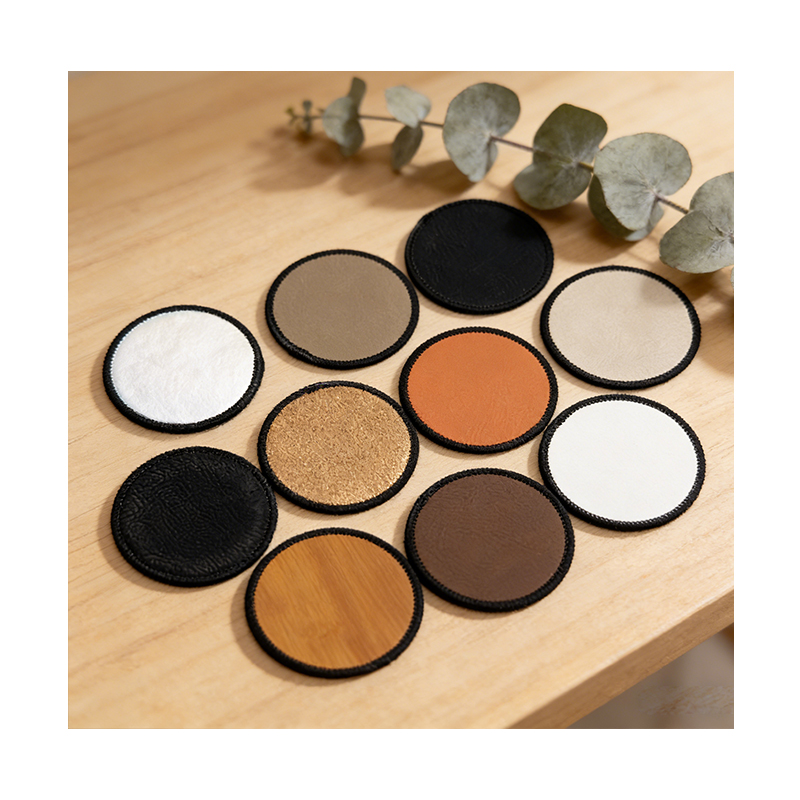
Ceramic sublimation coasters are a good example of this contrast. When a design is sublimated onto a properly coated ceramic tile, the result is a glossy, richly saturated image that looks closer to a photograph than a print. The same design applied with standard surface ink on ceramic tends to appear flatter, with less depth and a higher likelihood of visible print lines.
Material Fit
Material Compatibility: Where Each Method Excels
Not every material works equally well with both printing methods, and this is one of the most practical differences for anyone choosing between them.
Materials Suited to Sublimation
Sublimation requires a polymer-coated or polyester-based surface. This includes coated ceramic, coated MDF wood, coated aluminum, and specially treated glass. Without this coating, sublimation simply cannot bond, which is why blank materials must be manufactured specifically for the process.
Materials Suited to Regular Printing
Regular printing methods are far more flexible in terms of base material, since ink can be applied to almost any flat surface, including cork, plain wood, cardboard, and uncoated stone. This flexibility comes at the cost of durability, since none of these surfaces chemically bond with the ink the way a sublimation coating does.
Side by Side
Comparing Sublimation and Regular Printing at a Glance
The table below summarizes the core differences between sublimation coasters and regular printed coasters across the factors that matter most to buyers and makers.
| Factor | Sublimation Coaster | Regular Printed Coaster |
|---|---|---|
| Print Location | Embedded within coating | Sits on top of surface |
| Fade Resistance | High, years of use | Low to moderate, months |
| Water Resistance | Excellent | Poor without lamination |
| Color Vibrancy | Photo-quality, smooth | Flatter, visible dots |
| Material Options | Requires special coating | Works on most surfaces |
| Production Cost | Higher upfront | Lower upfront |
A Clear Case
Why Glass Coasters Highlight the Difference So Clearly
Glass sublimation coasters demonstrate this contrast especially well because glass is naturally non-porous and offers no surface texture for standard ink to grip onto. A regular printed design applied directly to glass, without proper priming or lamination, is prone to peeling almost immediately, since there is no mechanical or chemical bond holding the ink in place.
Worth noting
To sublimate onto glass, manufacturers apply a specialized coating, often on the underside, so the printed design shows through the transparent surface — creating a layered effect where color appears to float beneath the glass, protected from scratches and spills.
This technique produces a noticeably more premium look and feel compared to a standard printed glass coaster, and it explains why glass sublimation coasters are often marketed as higher-end gift items.
Budget Planning
Cost Considerations for Buyers and Makers
Cost is often the deciding factor for buyers weighing these two options, so it helps to understand where the price difference comes from.
- Sublimation requires specialized blanks with factory-applied coatings, which cost more than plain, uncoated materials.
- Sublimation printers and heat presses represent a larger upfront equipment investment than standard inkjet printers.
- Regular printed coasters have lower material and equipment costs but often require additional lamination or sealing to improve durability, adding a hidden cost.
- Over the product's lifespan, sublimation coasters frequently offer better value since they rarely need replacing due to fading or peeling.
For businesses
This durability difference can directly affect customer satisfaction and return rates — a coaster that fades within weeks is far more likely to generate complaints than one that maintains its appearance for years.
Making the Call
Which Option Makes Sense for Different Use Cases
Choosing between the two methods ultimately depends on how the coaster will be used and how long it needs to last.
Regular printed coasters can be a reasonable choice for short-term promotional giveaways, single-event branding, or situations where cost matters more than longevity. Sublimation, however, is the clear choice for personalized gifts, wedding favors, corporate merchandise meant to last, and any product where color accuracy and long-term durability directly reflect on brand quality. Ceramic sublimation coasters in particular are favored for premium retail and custom gift markets because they combine a substantial, high-quality feel with a print method built to withstand daily use.
Rule of thumb
If the coaster needs to look good in year three, not just week three, sublimation is worth the higher upfront cost.
Final Takeaway
The core difference between a sublimation coaster and a regular printed coaster comes down to where the color lives: embedded within the material for sublimation, versus layered on top for standard printing. This single distinction drives every other advantage sublimation offers, from superior fade resistance and water durability to sharper, more vibrant imagery. Whether choosing coated ceramic for a substantial tabletop feel or glass for a premium visual effect, sublimation consistently outperforms regular printing wherever long-term appearance and durability matter most.