 English
  Español
  Deutsch
Material Science — Print Craft
Why the Surface Decides Everything
Inside the polymer layer that turns heat, gas, and pigment into a permanent image — and why the wrong blank means the print was never going to survive.
Sublimation coasters need a special coating or surface because the sublimation process only works on materials that contain polymer receptors capable of bonding with dye particles. Sublimation ink does not sit on top of a surface like traditional ink; instead, it transforms from a solid into a gas under heat and pressure, then permanently infuses into the material itself. Without a polyester-based coating, there is nothing for the gasified dye to bond with, and the design will simply fail to transfer, smear, or wash away almost immediately. This is why raw wood, untreated ceramic, plain slate, or bare metal cannot be used for sublimation printing unless they are specifically manufactured or coated to accept dye sublimation ink.
Understanding this coating requirement is essential for anyone working with sublimation coaster blanks, since the quality, thickness, and composition of the coating directly determines how vibrant, durable, and long-lasting the final printed coaster will be.
The Mechanism
The Science Behind Sublimation and Polymer Coatings
Dye sublimation is a heat transfer process where solid dye particles are converted directly into gas without passing through a liquid stage. This typically occurs at temperatures between 380°F and 400°F (193°C to 204°C) under firm, even pressure for anywhere from 45 seconds to 4 minutes, depending on the substrate. During this brief window, the coating on the coaster's surface expands, opening microscopic pores that allow the gaseous dye to penetrate the material.
As the coaster cools, those pores close and trap the dye permanently within the polymer layer. This is fundamentally different from inkjet or screen printing, where ink remains on the surface and is vulnerable to scratching, fading, or peeling. Because the color becomes part of the coating rather than sitting above it, sublimated designs resist cracking, chipping, and moisture damage far better than surface-level prints.
Why Polyester Is the Key Ingredient
Polyester fibers or polymer resins are the only materials proven to reliably accept sublimation dye at a molecular level. This is why fabric-based coasters typically use at least 65% polyester content, while hard-surface coasters such as ceramic, slate, MDF, or metal rely on a sprayed or laminated polyester coating applied during manufacturing.
What Goes Wrong
What Happens Without a Proper Coating
Attempting to sublimate onto an uncoated or improperly coated surface leads to predictable failures. Recognizing these issues helps explain exactly why the coating matters so much.
- The design transfers as a faint, washed-out image with little to no color saturation.
- Ink smudges or wipes off entirely once the coaster cools and is handled.
- Colors appear inconsistent, with some areas darker or lighter than intended.
- The first exposure to water or condensation causes the print to blur or disappear.
- Heat pressing may scorch or discolor the base material instead of transferring the design.
These problems are almost always traced back to using the wrong blank material rather than an error in the printing or pressing process — which is why sourcing genuine, purpose-made blanks is so important.
Substrate Guide
Common Coating Types Used on Sublimation Coaster Blanks
Manufacturers apply several different coating methods depending on the base material of the coaster. Each method is designed to create the polymer layer required for dye penetration while also affecting the coaster's texture, finish, and durability.
Spray-Coated Ceramic and Tile
Ceramic and tile coasters are treated with a thin polymer spray that bakes onto the surface during manufacturing. This coating is what gives blank ceramic tiles their slightly glossy or semi-matte finish and allows for crisp, photo-quality prints.
Polymer-Infused MDF and Wood Composite
Medium-density fiberboard (MDF) coasters are pressed with a polyester resin layer that fills the porous wood fibers, creating a smooth, sealed surface. This is one of the most affordable and widely used options among sublimation coaster blanks because the material is lightweight, easy to cut into custom shapes, and produces vivid color results.
Coated Slate and Stone
Natural slate is porous and would absorb ink unevenly without treatment, so a clear polymer coating is applied to one face, leaving the reverse side natural for a rustic look. This dual-texture approach is popular for gift and home décor coasters.
sublimation coaster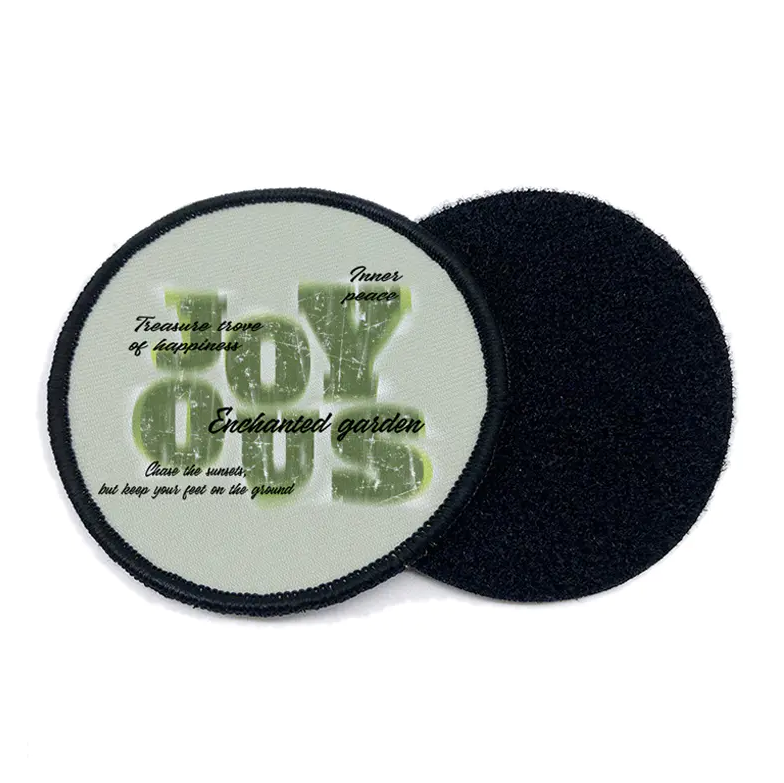
Aluminum and Metal Coatings
Metal coasters require a baked-on polymer film since raw aluminum has no fibers or pores for dye to bond with. This coating also protects the metal from oxidation while enabling sharp, high-resolution prints.
At a Glance
Comparing Popular Coaster Substrates and Their Coatings
The table below outlines how different substrate types compare in terms of coating method, typical press time, and best use case, helping buyers select the right blank for their project.
| Substrate | Coating Method | Approx. Press Time | Best Use Case |
|---|---|---|---|
| Ceramic Tile | Sprayed polymer glaze | 200–210 seconds | Home décor, gifts |
| MDF Wood | Resin-infused layer | 50–60 seconds | Bulk custom orders |
| Slate | Clear polymer film | 180–200 seconds | Rustic or premium gifts |
| Aluminum | Baked polymer coating | 60–90 seconds | Outdoor or bar use |
| Neoprene | Polyester fabric surface | 45–60 seconds | Car and travel coasters |
On the Road
Special Considerations for Sublimation Car Coasters
Coating requirements become even more critical for sublimation car coasters, since these products face constant exposure to temperature swings, moisture from condensation, and direct sunlight through the windshield. A standard ceramic coating is not well suited for this application because ceramic is rigid, prone to cracking under vibration, and typically too large to fit into a vehicle's cup holder.
Instead, car coaster blanks are usually made from neoprene, cork composite, or absorbent felt-like material bonded with a polyester surface layer. This coating must accomplish two goals simultaneously: bond with sublimation dye for a permanent print, and remain absorbent enough to soak up condensation from a cold beverage. Manufacturers achieve this by applying the polymer coating only to the top printable layer, while leaving the underlying material porous for moisture absorption.
Heads up
Because car coasters are subjected to more friction and temperature extremes than tabletop coasters, a properly cured coating is especially important. A rushed or thin coating layer on car coasters can lead to premature fading within just a few weeks of use, particularly on dashboards exposed to direct UV light.
Precision Matters
How Coating Quality Affects Print Vibrancy and Durability
Not all coatings are created equal, and thickness plays a significant role in final print quality. A coating that is too thin will allow dye to bond only at the surface level, resulting in a print that fades noticeably faster and appears less saturated. A coating that is too thick, on the other hand, can trap moisture beneath the surface, leading to bubbling or peeling over time.
Data point
Industry testing generally shows that a properly applied polymer coating between 15 and 25 microns thick produces the best balance of color vibrancy and long-term durability. Reputable suppliers of sublimation coaster blanks typically disclose coating specifications or, at minimum, guarantee consistent results across batches — worth checking before purchasing in bulk.
Before You Order
Choosing the Right Sublimation Coaster Blanks
When selecting blanks for a project, it helps to think beyond the coating alone and consider how the finished coaster will actually be used. The following checklist can guide the decision:
- Confirm the blank is specifically labeled for sublimation use, not just heat-press compatible.
- Check for a smooth, slightly glossy or semi-matte finish, which usually indicates an even coating.
- Match the substrate to the coaster's intended environment, such as neoprene for car use or slate for indoor display.
- Order a small test batch before committing to bulk purchases to verify color output on your specific printer and ink combination.
- Store blanks in a dry, dust-free area, since humidity can degrade the coating before it is even used.
Good practice
A small test batch costs little and prevents an entire production run from failing on the wrong substrate.
Technique
Best Practices for Consistent Sublimation Results
Even with high-quality coated blanks, technique still matters. Using butcher paper or a protective cover sheet during pressing helps prevent ghosting and keeps the coating from sticking to the heat press. Applying firm, even pressure across the entire surface ensures the coating heats uniformly, which prevents patchy or faded sections in the final design.
Common mistake
Handling coasters straight off the press is the fastest way to ruin a finish. The coating remains slightly soft immediately after pressing and can smudge or scratch if touched too soon — wait at least 60 to 90 seconds before handling.
Final Takeaway
The special coating on sublimation coasters is not a cosmetic feature; it is the entire mechanism that makes the printing process work. Without a polyester-based coating, heat and gaseous dye have nothing to bond with, resulting in faded, unstable prints that quickly wear away. Whether working with rigid materials like ceramic and slate or flexible options like neoprene used in sublimation car coasters, choosing properly coated blanks is the single most important factor in achieving vibrant, long-lasting results.