
 English
  Español
  Deutsch
Introduction of Leatherette Pet Collars Briefly introduce leatherette pet collars and their growing popularity. Leatherette pet collars have emerged as a dominant force in the pet ...
Read More
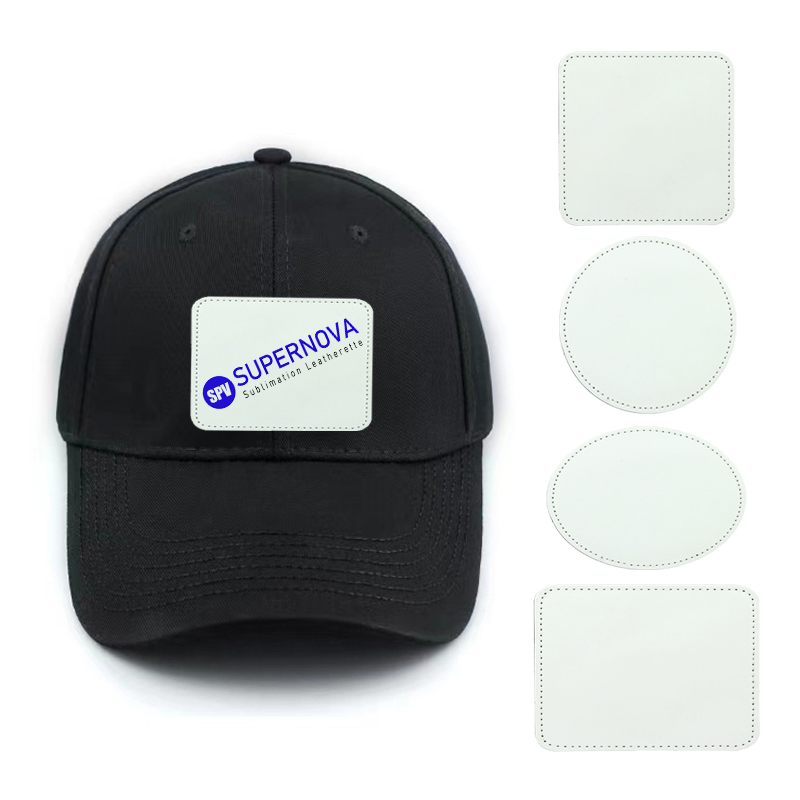
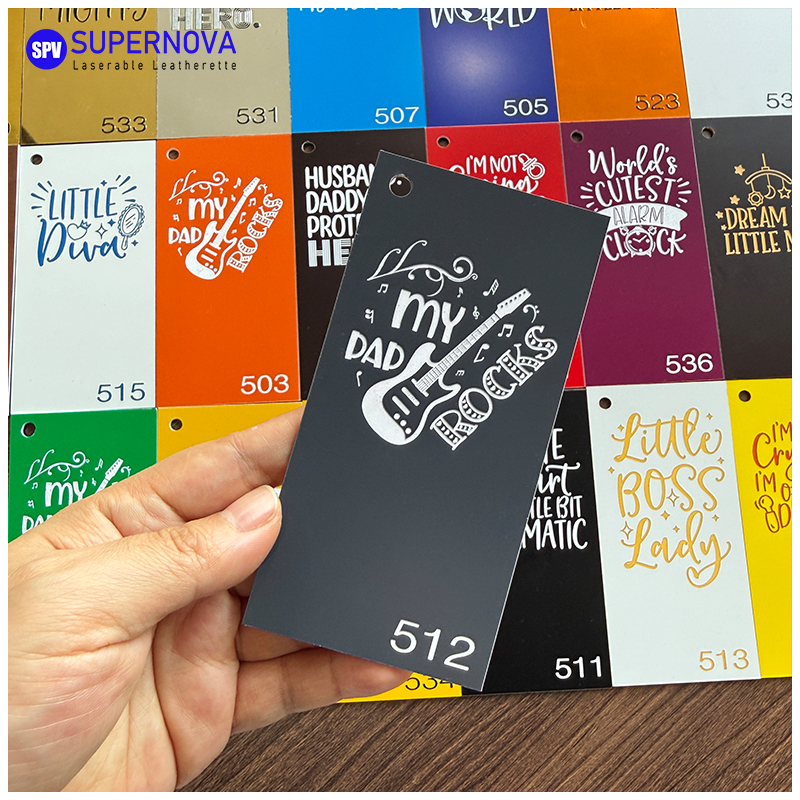
How do Laserable Leatherette Patches perform under washing, ironing, or cleaning conditions when applied to garments or textiles?
2026-02-24-
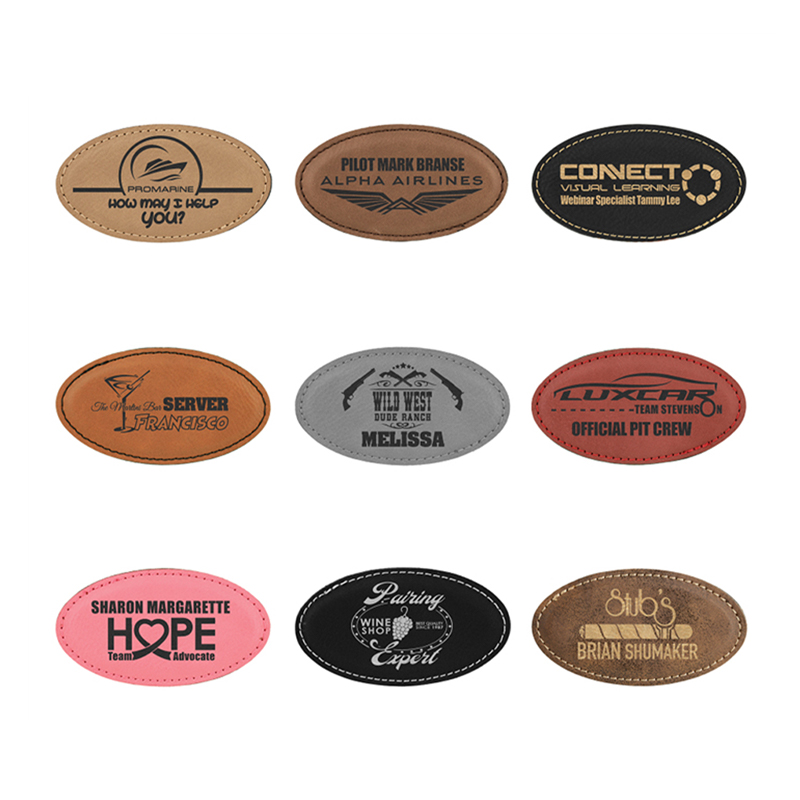
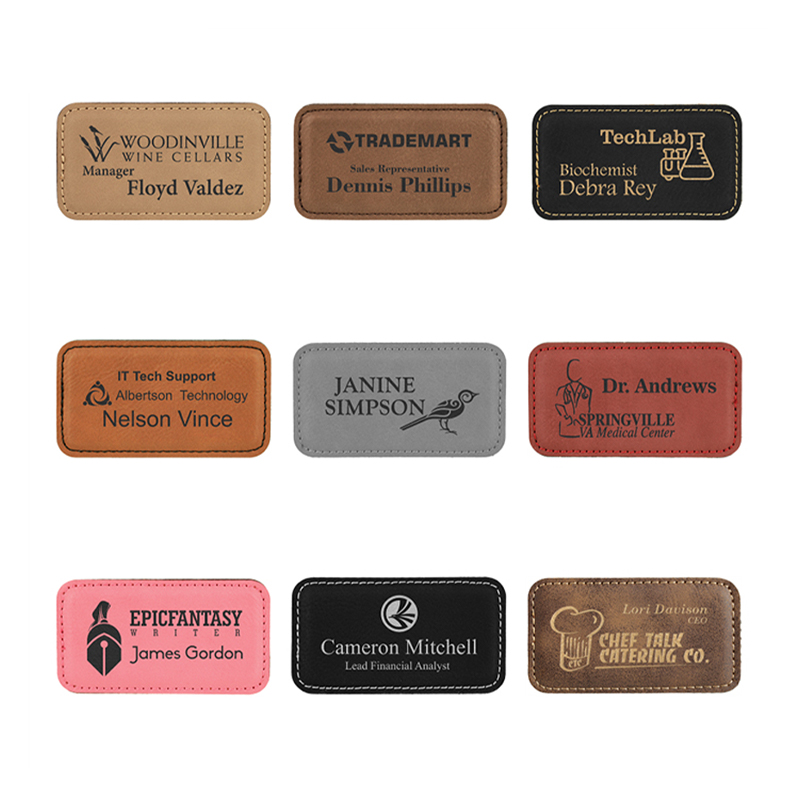
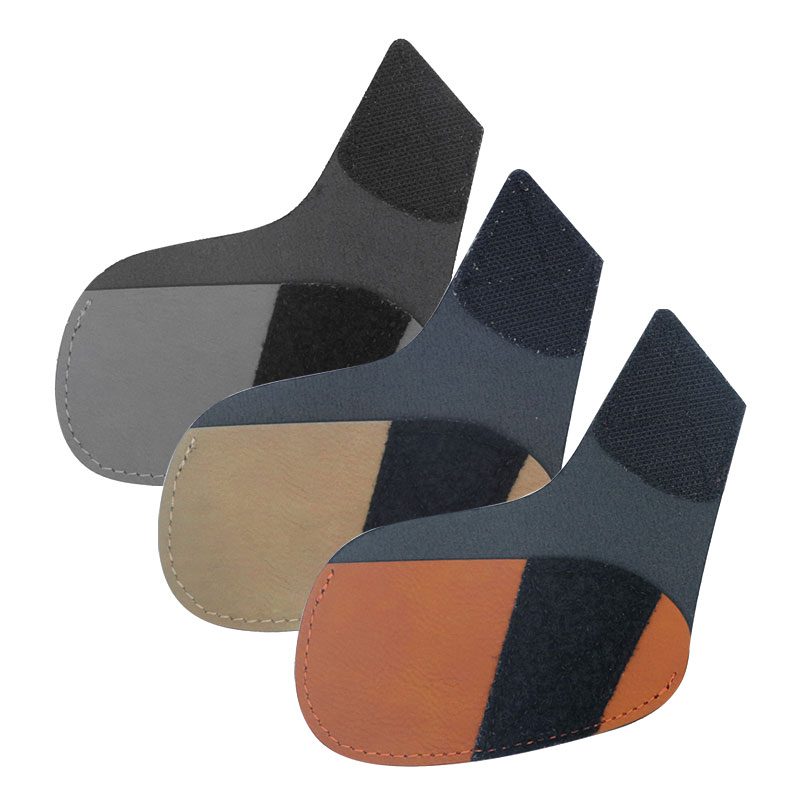
Washing Resistance — Laserable Leatherette Patches exhibit considerable resistance to washing due to their synthetic leatherette composition, which does not absorb water like natural leather. This allows the patches to maintain shape and surface integrity when garments are laundered under controlled conditions. However, repeated exposure to high-temperature washes, harsh detergents, bleach, or aggressive mechanical agitation can gradually compromise both the patch surface and the laser-engraved details. Such exposure may lead to minor edge curling, slight surface softening, or fading of engraved designs over time. To optimize washing durability, garments with Laserable Leatherette Patches should ideally be washed inside out, using cold water cycles and mild detergents. Gentle or hand-wash settings reduce mechanical stress on the patch, while avoiding high-speed spin cycles minimizes the risk of deformation. Tumble drying at high temperatures is discouraged, as prolonged heat exposure can weaken adhesives on backed patches or cause warping of the material itself. Proper washing protocols ensure that the aesthetic quality and longevity of Laserable Leatherette Patches are preserved across repeated laundering cycles.
-
Ironing and Heat Exposure — Heat management is critical when handling garments with Laserable Leatherette Patches, as the polymer materials used in the patches are sensitive to high temperatures. Direct contact with a hot iron can lead to melting, distortion, discoloration, or loss of texture on the patch, and may also reduce the contrast or clarity of laser-engraved designs. To mitigate these risks, a protective pressing cloth or silicone sheet should be used when ironing near or over the patch, and only low-temperature settings should be applied. Ideally, ironing should be performed on the reverse side of the garment to prevent direct heat contact with the patch surface. For patches with adhesive backings, extreme caution is necessary because excessive heat may compromise the adhesive, causing detachment or deformation. Following these heat-management best practices ensures that Laserable Leatherette Patches retain their structural integrity, surface finish, and engraved detail when garments are ironed or pressed.
-
Cleaning and Spot Treatment — Laserable Leatherette Patches are compatible with gentle spot-cleaning techniques, which help maintain the surface finish and laser-engraved designs without subjecting the patch to full laundering cycles. Mild soap solutions, damp cloth wiping, or specialized synthetic leather cleaners can effectively remove dirt or stains. Abrasive scrubbing or exposure to harsh chemical solvents should be strictly avoided, as these can erode the surface, damage the engraved markings, or compromise the material integrity. For persistent stains, light blotting and careful wiping are recommended instead of soaking, which may weaken adhesive layers in backed patches or lead to water penetration along stitch lines in sewn-in patches. By following recommended spot-cleaning protocols, users can maintain the aesthetic appearance and functional durability of Laserable Leatherette Patches on garments or textiles.
-
Durability of Laser Engraving — The engraving applied to Laserable Leatherette Patches is typically surface-deep, producing detailed and high-contrast designs without compromising the material’s flexibility. While the engraving is generally robust, it remains susceptible to mechanical friction, chemical exposure, or extreme environmental conditions, which can gradually reduce contrast or clarity over time. Adhering to proper washing, ironing, and cleaning practices is essential to preserve both the visual definition and longevity of engraved patterns. The combination of controlled laundering, careful heat exposure, and gentle cleaning ensures that Laserable Leatherette Patches continue to deliver high-quality, readable, and visually appealing designs throughout the garment’s lifecycle.
-
Garment Integration Considerations — The method used to attach Laserable Leatherette Patches to garments or textiles significantly influences their performance under washing, heat, and cleaning. Sewn-in patches generally offer superior longevity and stability because stitching provides mechanical reinforcement, minimizing the risk of detachment, deformation, or adhesive failure. In contrast, adhesive-backed patches are more sensitive to high temperatures, moisture, and aggressive detergents; improper care can lead to peeling or warping. For garments expected to undergo frequent laundering or industrial cleaning processes, mechanically sewn patches are recommended. Careful consideration of attachment method, combined with adherence to appropriate washing and ironing protocols, ensures optimal performance, durability, and preservation of both patch and engraved design.
PREV: How do Leatherette Coasters handle long-term exposure to humidity or spills?
NEXT: How does the texture and feel of Leatherette Name Badges compare to real leather?
Contact Us
Your email address will not be published. Required field are marked*
Blog
-
-
Why Choose Laser Engraved Leather Patches for High-Quality Custom Designs? When it comes to custom designs for fashion, branding, and accessories, the materials you choose play a c...
Read More -
Introduction to Laserable Leatherette What Is Laserable Leatherette? Laserable leatherette refers to a type of leatherette material engineered to respond well to laser processing, ...
Read More -
Unveiling the World of Leatherette Coasters: Beyond Basic Tableware Defining the Coaster: An Essential Home Accessory Before delving into the unique advantages of Leatherette Coast...
Read More

-
86-15851089634

-
[email protected]

-
Room 3110, Building 6, Jinrongcheng,5 Shiji Avenue, Yandu District,Yancheng City, Jiangsu Province, China

-
109#, Team 1, Longnian, Nanyang, Tinghu, Yancheng, Jiangsu, China, Zip code: 224000
- QUICK LINKS

