
 English
  Español
  Deutsch



Introduction of Leatherette Pet Collars Briefly introduce leatherette pet collars and their growing popularity. Leatherette pet collars have emerged as a dominant force in the pet ...
Read More
How does the texture and feel of Leatherette Name Badges compare to real leather?
2026-02-16Texture and Appearance
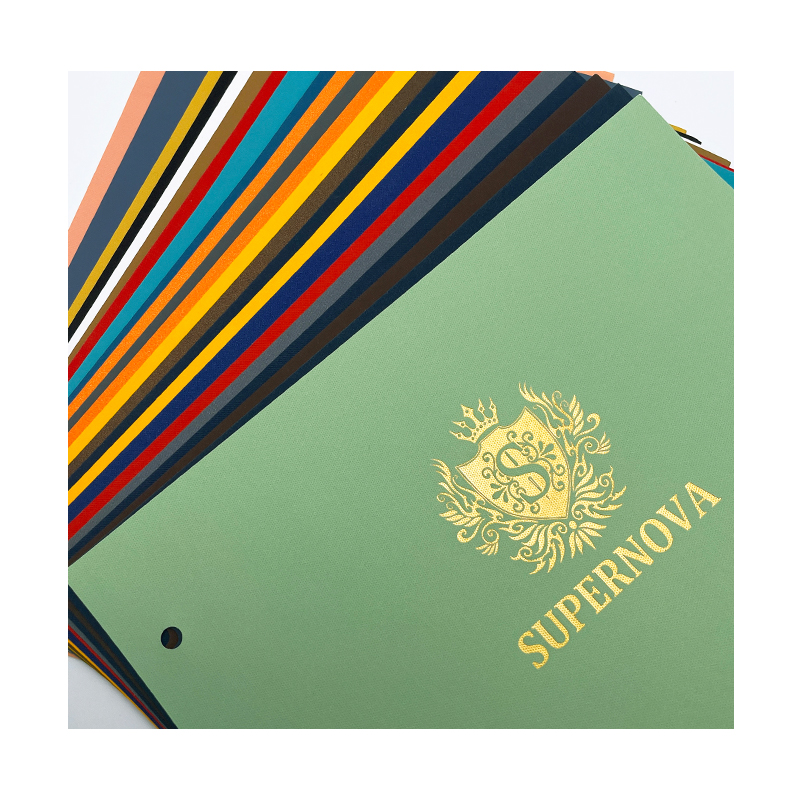
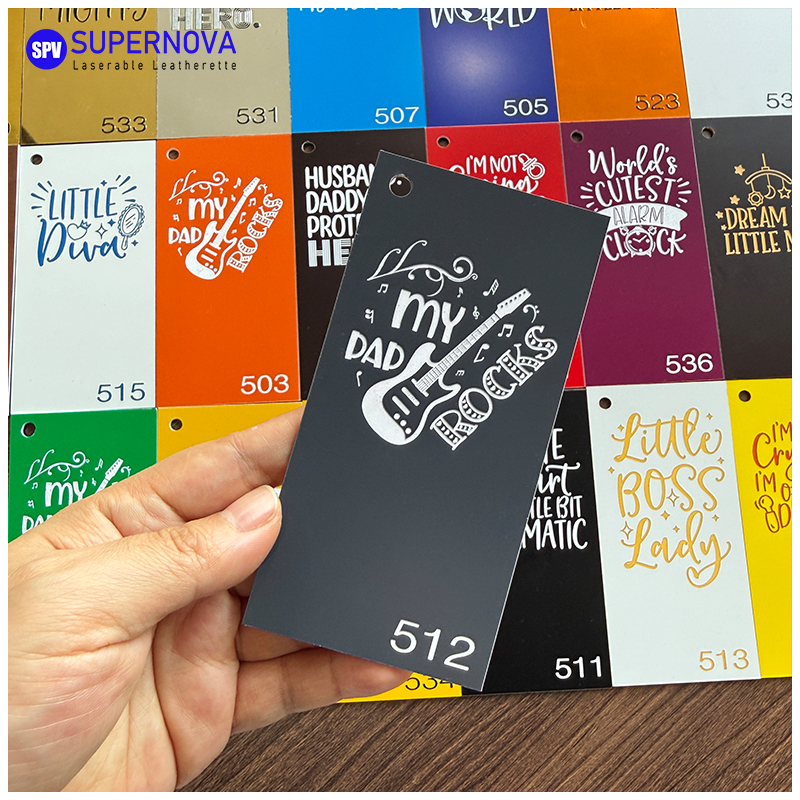
The texture and appearance of Leatherette Name Badges are designed to mimic real leather, but they often lack the unique qualities that come with the natural material. Leatherette is crafted to replicate the look of leather through synthetic materials like vinyl or polyurethane, resulting in a more uniform and consistent texture. This makes Leatherette Name Badges visually appealing with a clean, polished surface, but they lack the natural imperfections and variations found in genuine leather. In contrast, real leather has a distinct grain pattern, marked by natural imperfections such as small scars, pores, or wrinkles, which give it a unique character and depth. Leatherette, while providing a similar appearance to leather, often feels slightly more plastic-like and smoother, with a finish that may be more consistent across different pieces. Real leather, however, has a tactile warmth and organic feel due to the natural fibers, which can be felt when touched, adding a layer of authenticity and texture that leatherette struggles to replicate. The natural imperfections in leather also contribute to its luxury appeal, with each item having its own distinctiveness.
Softness and Flexibility
When comparing softness and flexibility, Leatherette Name Badges tend to be more rigid and stiff than their real leather counterparts. Leatherette is engineered to be durable, and while it can be soft to the touch, it generally doesn't have the same flexibility or pliability that real leather offers. Leatherette maintains a consistent firmness that is ideal for creating structured and uniform badges, but this makes it less comfortable or adaptable in some contexts, especially for long-term wear. On the other hand, real leather is known for its natural pliability. Over time, it becomes softer and more flexible, developing a personalized patina with age. Real leather adapts to the shape and contours of its wearer, providing a more comfortable, customized fit. The process of breaking in leather over time makes it more malleable, while leatherette does not soften or change significantly after prolonged use. For example, leather bags or clothing become more supple with frequent handling, while leatherette remains relatively stiff, making it a less comfortable option for items that require flexibility, such as soft goods or clothing.
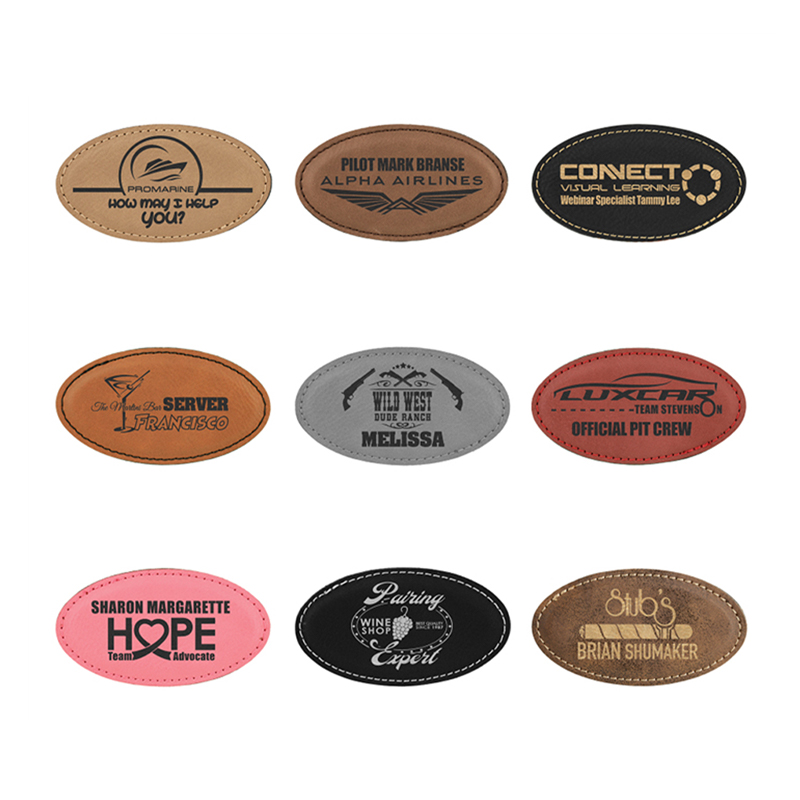
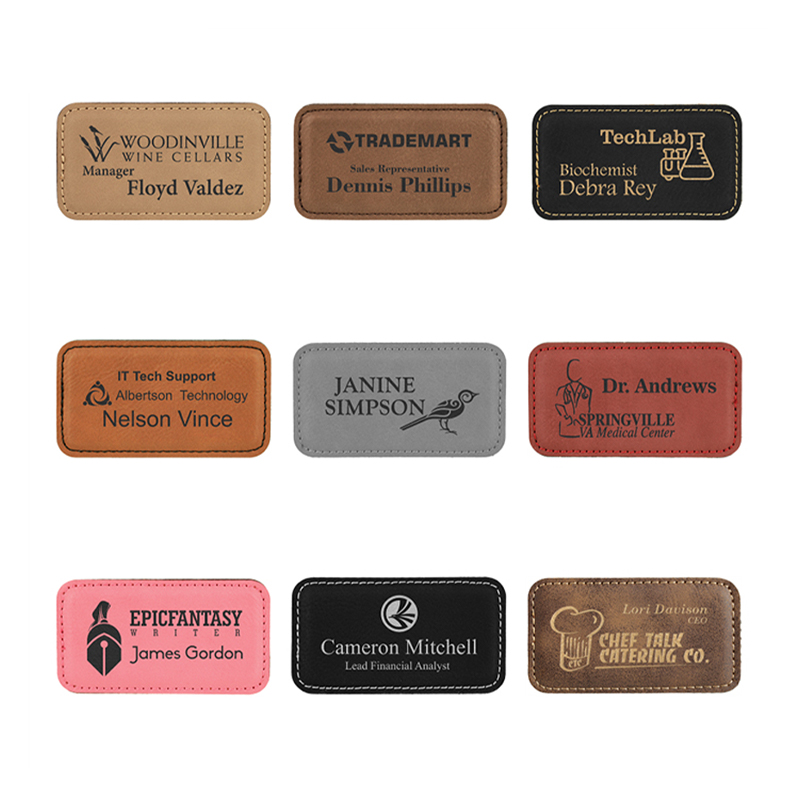
Leatherette Name Badges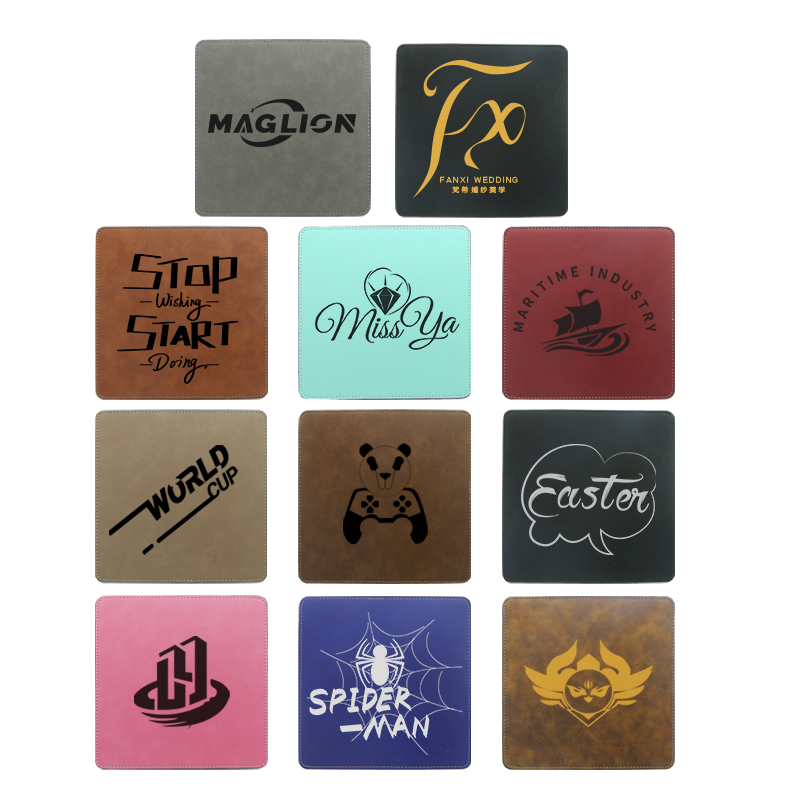
Durability and Longevity
One of the most significant differences between Leatherette Name Badges and real leather is their durability and longevity. Real leather is renowned for its robustness and ability to withstand wear and tear. Over time, leather matures and develops a rich patina that enhances its aesthetic appeal, and its inherent durability means that it can last decades if properly cared for. Leather is resistant to cracking and, when well-maintained, it can endure rough use for extended periods. The aging process of real leather makes it more resilient, and its natural fibers can tolerate the stress of daily use without losing their integrity. Leatherette, while also durable, cannot match the long-term resilience of real leather. Leatherette Name Badges tend to show signs of wear, such as scratches, cracks, or peeling, especially after prolonged exposure to abrasion, moisture, or sunlight. Over time, the synthetic surface of leatherette can deteriorate, and unlike real leather, it does not develop the same rich patina. The synthetic composition of leatherette means that it does not age gracefully, and it may require replacement sooner than real leather badges.
Temperature Sensitivity and Comfort
In terms of temperature regulation, real leather has natural properties that allow it to breathe and adapt to varying environmental conditions. It is temperature-regulating, meaning that it tends to feel cooler in warm weather and warmer in cold weather, making it a comfortable material to wear throughout the year. The natural porosity of leather allows air to circulate through the fibers, which helps regulate body temperature and prevent excessive sweating or overheating. Leatherette, on the other hand, is a synthetic material that lacks these breathing properties. It tends to trap heat more easily, especially in warmer climates or during prolonged use. This can lead to discomfort if worn for extended periods, as it does not allow for the same ventilation as real leather. Leatherette can feel stifling or warm in hot conditions, making it less ideal for environments where breathability is essential. Real leather offers better overall comfort, especially when worn for extended periods in different weather conditions.
Environmental Impact and Maintenance
From an environmental perspective, real leather is a natural product, but its production involves the use of animal hides and chemicals in the tanning process, which can have significant environmental implications. Leather's production is energy-intensive, and the chemicals used in the tanning process can pollute waterways if not handled correctly. However, real leather is biodegradable, meaning that it will naturally decompose over time. When well-maintained, real leather can last for a long time, making it a more sustainable option for items that are intended to be used for many years. Leatherette, in contrast, is made from synthetic materials like PVC or polyurethane, which are petroleum-based and can contribute to pollution during production. Leatherette is not biodegradable, and its production involves the use of plastics, which add to its environmental footprint. However, one of the advantages of leatherette is that it requires minimal maintenance. Leatherette is easy to clean, typically requiring only a simple wipe-down with a damp cloth, whereas real leather requires more care to maintain its appearance and structure. Leather must be regularly conditioned, cleaned, and protected from moisture to ensure its longevity.
PREV: How do Leatherette Coasters handle long-term exposure to humidity or spills?
NEXT: What kind of fastening options are available for Leatherette Name Badges, such as magnets, pins, or clips, and how secure are these options?
Contact Us
Your email address will not be published. Required field are marked*
Blog
-
-
Why Choose Laser Engraved Leather Patches for High-Quality Custom Designs? When it comes to custom designs for fashion, branding, and accessories, the materials you choose play a c...
Read More -
Introduction to Laserable Leatherette What Is Laserable Leatherette? Laserable leatherette refers to a type of leatherette material engineered to respond well to laser processing, ...
Read More -
Unveiling the World of Leatherette Coasters: Beyond Basic Tableware Defining the Coaster: An Essential Home Accessory Before delving into the unique advantages of Leatherette Coast...
Read More

-
86-15851089634

-
[email protected]

-
Room 3110, Building 6, Jinrongcheng,5 Shiji Avenue, Yandu District,Yancheng City, Jiangsu Province, China

-
109#, Team 1, Longnian, Nanyang, Tinghu, Yancheng, Jiangsu, China, Zip code: 224000
- QUICK LINKS

