
 English
  Español
  Deutsch
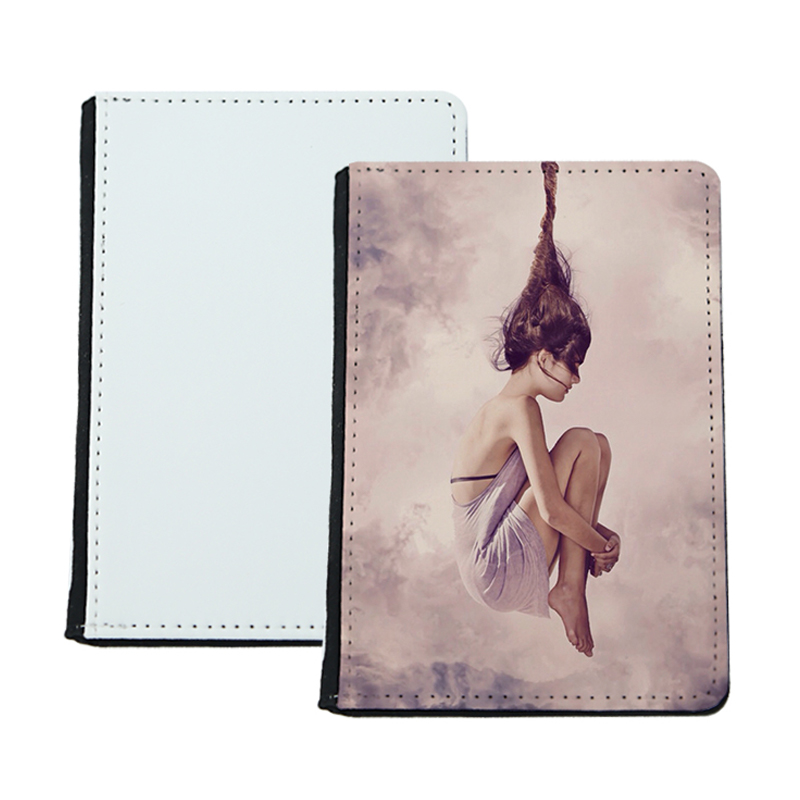
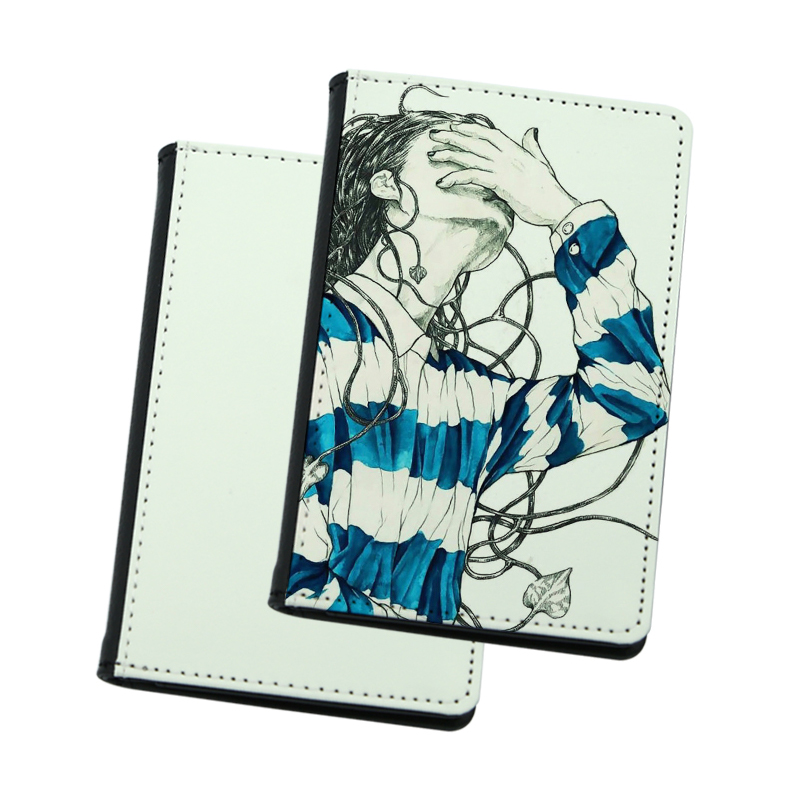
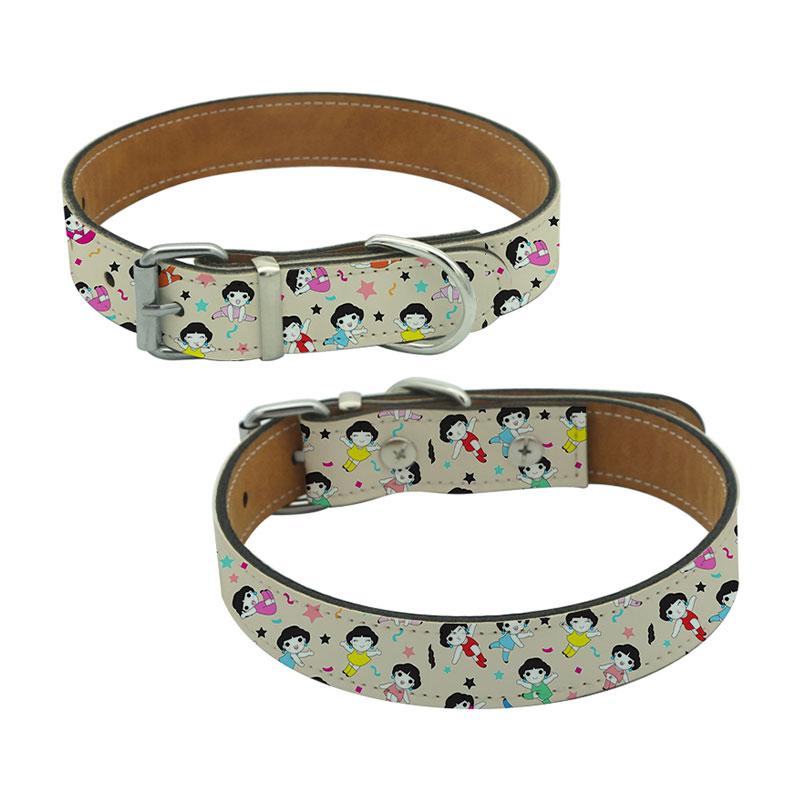
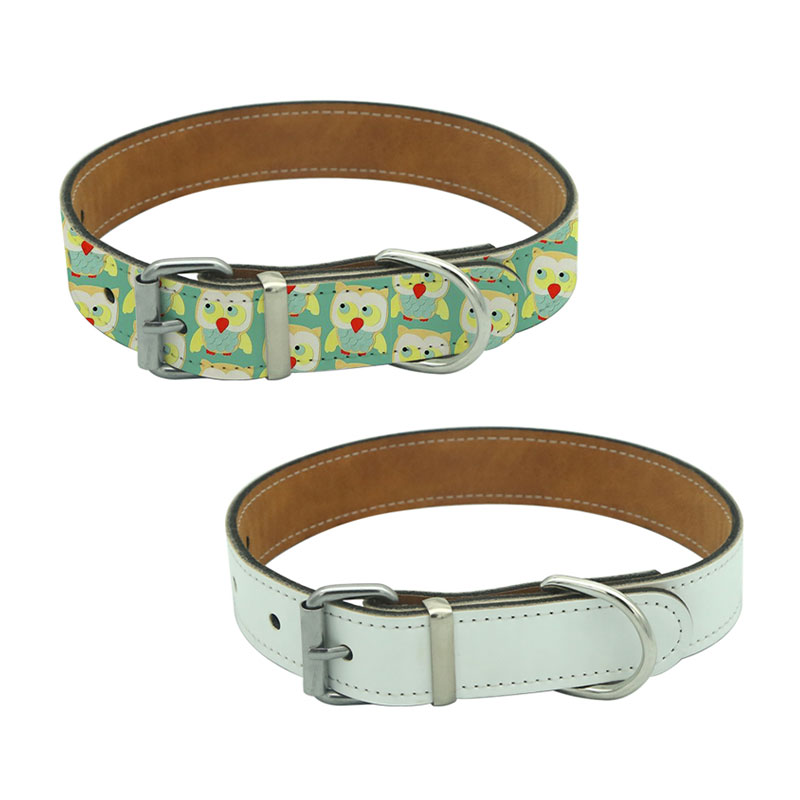
Introduction of Leatherette Pet Collars Briefly introduce leatherette pet collars and their growing popularity. Leatherette pet collars have emerged as a dominant force in the pet ...
Read More
What thickness and structural design options are available for Sublimation Coasters to prevent warping or cracking during heat pressing?
2025-12-29Optimal Thickness Ranges for Heat Stability
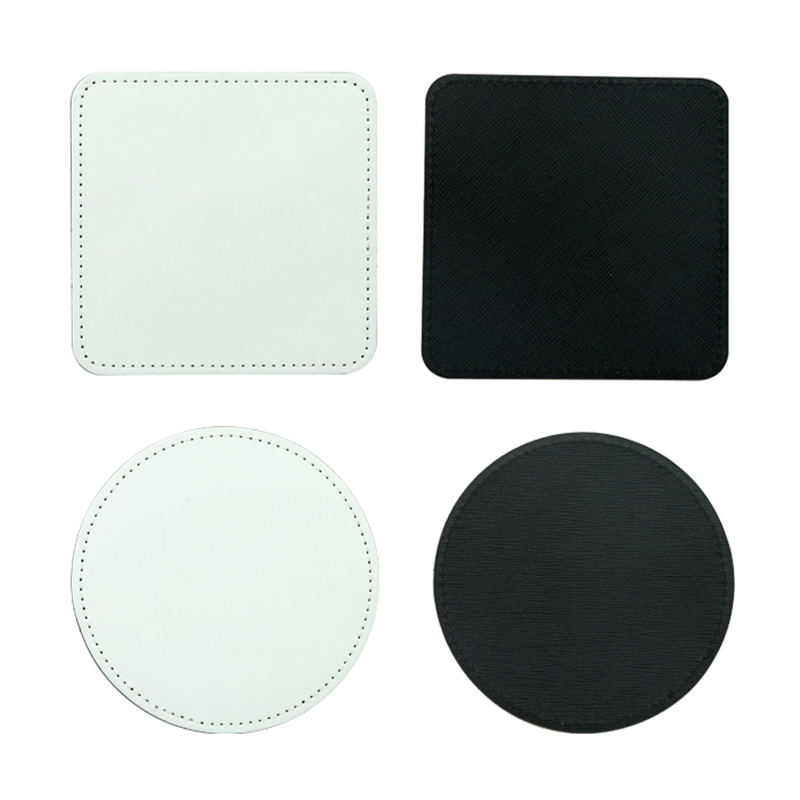
Sublimation Coasters are commonly produced in thickness ranges that balance heat resistance, mechanical strength, and ease of pressing. Typical thickness options include approximately 3–4 mm for lightweight MDF or hardboard coasters, 5–6 mm for ceramic or high-density fiberboard substrates, and up to 8–10 mm for stone, glass, or composite-based coasters. Increased thickness improves thermal mass, allowing the coaster to absorb and distribute heat more evenly during pressing. This reduces rapid temperature gradients that can cause internal stress, warping, or surface cracking. Thinner coasters heat up faster but are more susceptible to deformation, especially under uneven pressure. Selecting an appropriate thickness based on material type and press temperature is critical to ensuring dimensional stability throughout the sublimation process.
High-Density Core Materials and Layered Construction
Structural design plays a significant role in preventing damage during heat pressing. Many Sublimation Coasters utilize high-density core materials such as compressed MDF, ceramic blanks, tempered glass, or engineered stone, all of which are designed to withstand sustained temperatures of 180–200°C. In some designs, layered construction is used, where a rigid core is bonded to a specially coated sublimation surface. This layered approach distributes thermal expansion more evenly across the coaster, reducing internal stress. The uniform density of these cores minimizes weak points that could otherwise expand or contract unevenly, significantly lowering the risk of cracking or permanent distortion during repeated pressing cycles.
Edge Design and Stress Distribution Features
Edge finishing is an often-overlooked structural element that directly impacts heat resistance. Sublimation Coasters with beveled or rounded edges are less prone to cracking than those with sharp, square edges, as stress concentrations are reduced during thermal expansion. Rounded corners allow heat-induced expansion to dissipate gradually across the surface rather than accumulating at corners, which are common fracture initiation points. Some coaster designs also incorporate slight chamfers or reinforced perimeter zones that enhance structural integrity without increasing overall thickness. These edge treatments are particularly important for ceramic and stone sublimation coasters, which are more brittle under thermal stress.
Reinforced Backing and Anti-Warp Support Layers
To further prevent warping, many Sublimation Coasters include reinforced backing layers such as cork, rubber, silicone, or composite insulation sheets. These backings serve multiple purposes: they provide cushioning during pressing, absorb excess heat, and counteract differential expansion between the top sublimation surface and the base material. By acting as a thermal buffer, the backing layer helps maintain flatness throughout the heat cycle and cooling phase. This structural reinforcement is especially beneficial for MDF and fiberboard coasters, which are more sensitive to heat-induced moisture movement and expansion.
Compatibility with Press Pressure and Heat Distribution
Structural design options for Sublimation Coasters are also optimized to work with standard flat heat presses. Uniform thickness across the entire surface ensures consistent pressure distribution, preventing localized stress points that could lead to cracking. Some coasters are engineered with slight flexibility or micro-compression tolerance, allowing them to accommodate press pressure without structural failure. Flatness tolerances are tightly controlled during manufacturing so the coaster sits evenly on the press platen, ensuring uniform heat exposure and minimizing the risk of warping during sublimation transfer.
PREV: How well do Sublimation Wallets & Card Holders perform in extreme weather conditions, such as high humidity, rain, or extreme cold?
NEXT: What are the key benefits of choosing a Leatherette Pet Collar over traditional leather or nylon collars?
Contact Us
Your email address will not be published. Required field are marked*
Blog
-
-
Why Choose Laser Engraved Leather Patches for High-Quality Custom Designs? When it comes to custom designs for fashion, branding, and accessories, the materials you choose play a c...
Read More -
Introduction to Laserable Leatherette What Is Laserable Leatherette? Laserable leatherette refers to a type of leatherette material engineered to respond well to laser processing, ...
Read More -
Unveiling the World of Leatherette Coasters: Beyond Basic Tableware Defining the Coaster: An Essential Home Accessory Before delving into the unique advantages of Leatherette Coast...
Read More

-
86-15851089634

-
[email protected]

-
Room 3110, Building 6, Jinrongcheng,5 Shiji Avenue, Yandu District,Yancheng City, Jiangsu Province, China

-
109#, Team 1, Longnian, Nanyang, Tinghu, Yancheng, Jiangsu, China, Zip code: 224000
- QUICK LINKS

