

 English
  Español
  Deutsch

Care & Maintenance Guide
Leatherette vs. Genuine Leather Patches
A precise, material-first comparison of how synthetic and natural hide patches should actually be cleaned — and why treating them the same way shortens their life.
The main difference between cleaning leatherette hat patches and genuine leather patches comes down to moisture tolerance and chemical sensitivity. Leatherette, a synthetic material typically made from polyurethane (PU) or polyvinyl chloride (PVC), can generally handle water-based cleaners, mild soap solutions, and even alcohol wipes without significant risk of cracking or discoloration. Genuine leather, by contrast, is a porous, natural material that absorbs moisture and oils, meaning it requires pH-balanced cleaners, minimal water exposure, and regular conditioning to prevent drying, stiffening, or cracking over time.
In short, leatherette patches can be cleaned more aggressively and dried faster, while genuine leather patches demand a gentler, more conservative approach with products formulated specifically for hide-based materials. This distinction is the foundation for everything that follows.
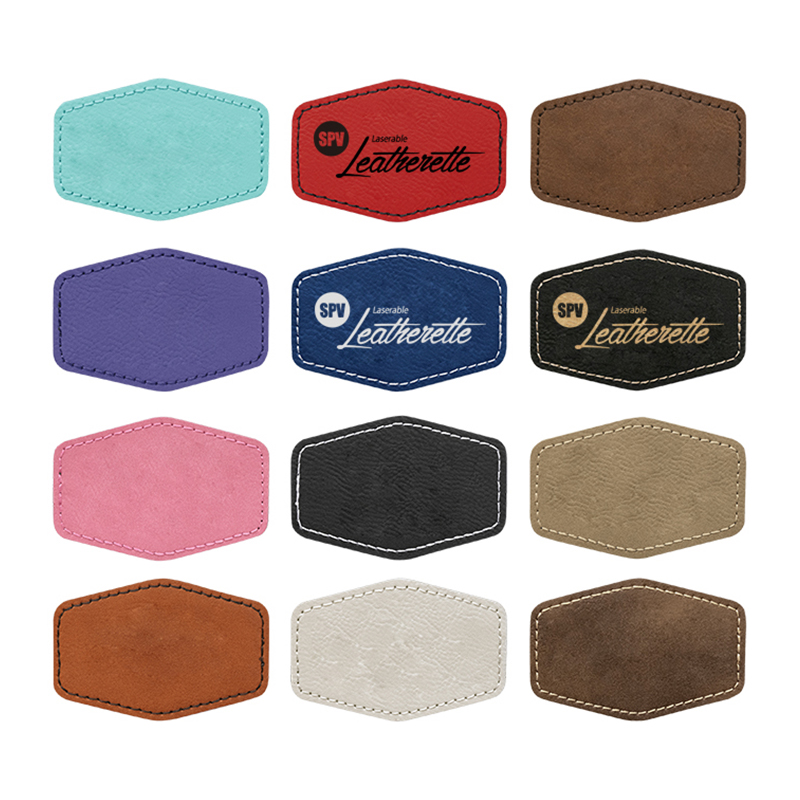
leatherette patches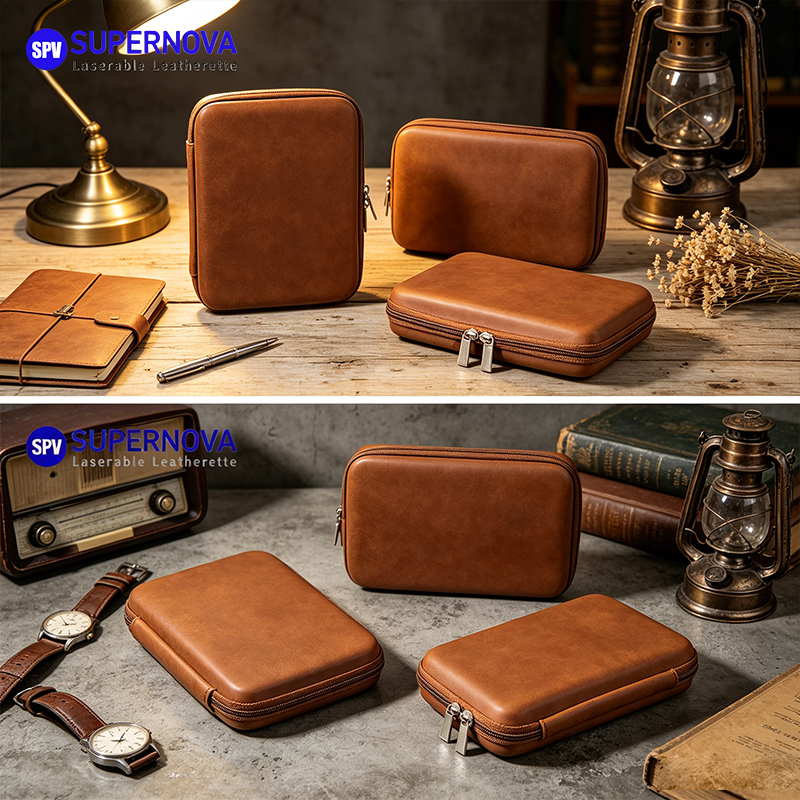
Understanding the Material Composition
Before discussing technique, it helps to understand what each surface is actually made of — because composition dictates reaction to water, heat, and chemistry.
What Leatherette Is Made Of
Leatherette hat patches are typically constructed from a fabric or foam base coated with a layer of polyurethane or PVC. This synthetic coating creates a non-porous surface, meaning liquids sit on top rather than soaking in. Because of this, leatherette is naturally more resistant to staining and moisture damage, which is why it tolerates stronger cleaning solutions and more frequent washing.
What Genuine Leather Is Made Of
Genuine leather patches come from tanned animal hide — a natural, porous material with microscopic pores that absorb both moisture and oils. This absorbency gives leather its breathability and unique patina over time, but also makes it vulnerable to water spots, mold, and cracking if not properly maintained. Excess water or harsh detergents strip natural oils, leading to a dry, brittle texture that shortens the patch's lifespan.
Recommended Tools, Side by Side
Choosing the right tools is as important as technique. The wrong product on the wrong material can cause irreversible damage — discoloration, peeling, or surface cracking.
| Cleaning Element | Leatherette Patches | Genuine Leather Patches |
| Water Tolerance | High — damp cloth is fine | Low — barely damp cloth only |
| Soap Type | Mild dish soap or fabric-safe cleaner | pH-balanced leather cleaner only |
| Alcohol-Based Wipes | Safe in small amounts | Avoid — dries out natural oils |
| Conditioning Product | Not required | Recommended monthly |
| Drying Method | Air-dry, 10–15 minutes | Air-dry away from heat, 30+ minutes |
Cleaning Leatherette Hat Patches, Step by Step
Cleaning leatherette hat patches is relatively fast — most people finish in under ten minutes. Because the synthetic surface repels moisture, the risk of damage is low.
- Mix a small amount of mild dish soap with warm water.
- Dip a soft microfiber cloth into the solution and wring out excess liquid.
- Wipe the surface in gentle circular motions to lift dirt and grime.
- Use a soft-bristle brush for textured or embossed grooves.
- Wipe away soap residue with a clean, damp cloth.
- Pat dry and allow the patch to air-dry fully before storing or wearing.
Leatherette's non-porous coating prevents soap and water from seeping into the fabric base beneath it — which is exactly why it tolerates a faster, simpler routine.
Cleaning Genuine Leather Patches, Step by Step
Cleaning genuine leather patches requires a slower pace to avoid stripping natural oils or introducing excess moisture into the hide.
- Dust the surface with a dry, soft cloth to remove loose dirt.
- Apply a small amount of pH-balanced leather cleaner to a barely damp cloth.
- Wipe gently in the direction of the leather's natural grain.
- Remove residual cleaner with a dry microfiber cloth immediately.
- Air-dry away from direct sunlight or heat for at least 30 minutes.
- Apply a thin layer of leather conditioner once fully dry.
Warning
Skipping the conditioning step is one of the most common mistakes — it often leads to premature cracking within just a few months of regular wear.
Handling Stains: A Material-Specific Approach
Stain removal strategies differ significantly by material, and the wrong method can set a stain permanently or damage the surface further.
Stains on Leatherette
For ink, grease, or dark stains, a baking soda paste mixed with a little water can be applied and left for five minutes before wiping clean. Rubbing alcohol on a cotton swab also works well for stubborn spots, since the synthetic coating resists solvent damage in small, controlled applications.
Avoid on Genuine Leather
Never use alcohol or solvent-based products on genuine leather — they strip natural oils and can leave permanent discoloration. Use a leather-specific stain remover instead, followed immediately by conditioning.
Common Mistakes to Avoid
With Leatherette Patches
- Using excessive heat to dry the patch, causing the coating to bubble or peel.
- Scrubbing too aggressively with stiff brushes, leading to surface scratches.
- Using abrasive pads that dull the glossy finish over time.
With Genuine Leather Patches
- Soaking the patch in water, causing long-term warping and stiffness.
- Skipping conditioning after cleaning, accelerating dryness and cracking.
- Using generic household cleaners instead of leather-specific formulas.
How Often Should Each Be Cleaned?
Leatherette hat patches can be wiped down every one to two weeks with regular use, since the synthetic surface holds up well to frequent contact with mild cleaners. Genuine leather patches should be cleaned less often — roughly once a month — with conditioning applied every four to six weeks to maintain flexibility and prevent premature drying.
Good to Know
Frequency matters as much as method — over-cleaning genuine leather can be just as damaging as using the wrong product.
Final Takeaway
While both leatherette and genuine leather patches serve similar decorative purposes on hats, their cleaning requirements diverge significantly due to differences in material composition. Leatherette can be cleaned more frequently with water-based solutions and dries quickly, making it a low-maintenance option. Genuine leather demands a gentler touch, pH-balanced products, and regular conditioning to preserve its natural texture and longevity. Recognizing these distinctions ensures each patch type receives the care it needs to stay looking sharp for years to come.