
 English
  Español
  Deutsch
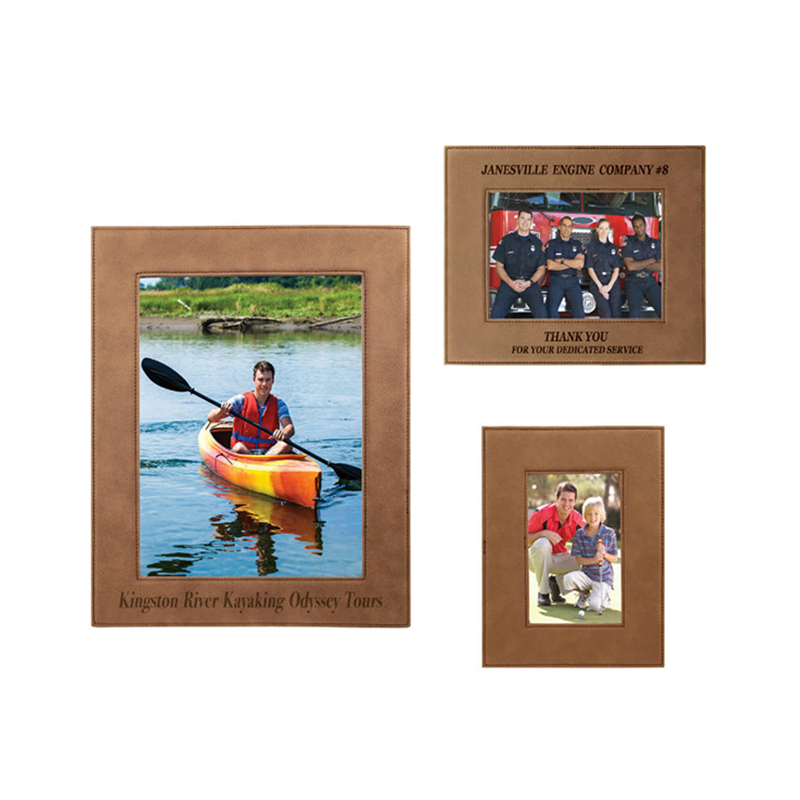
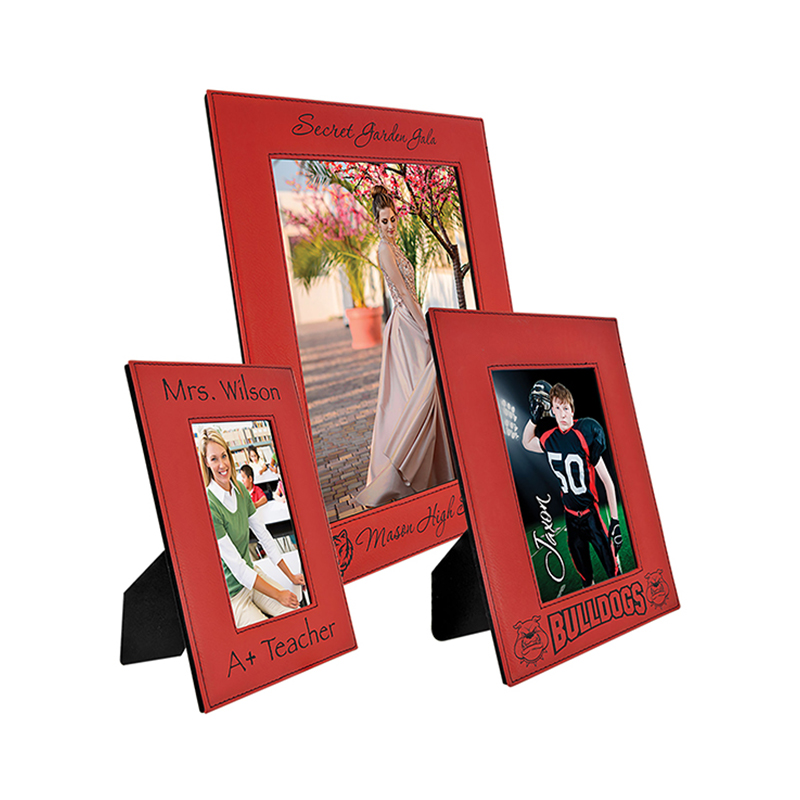
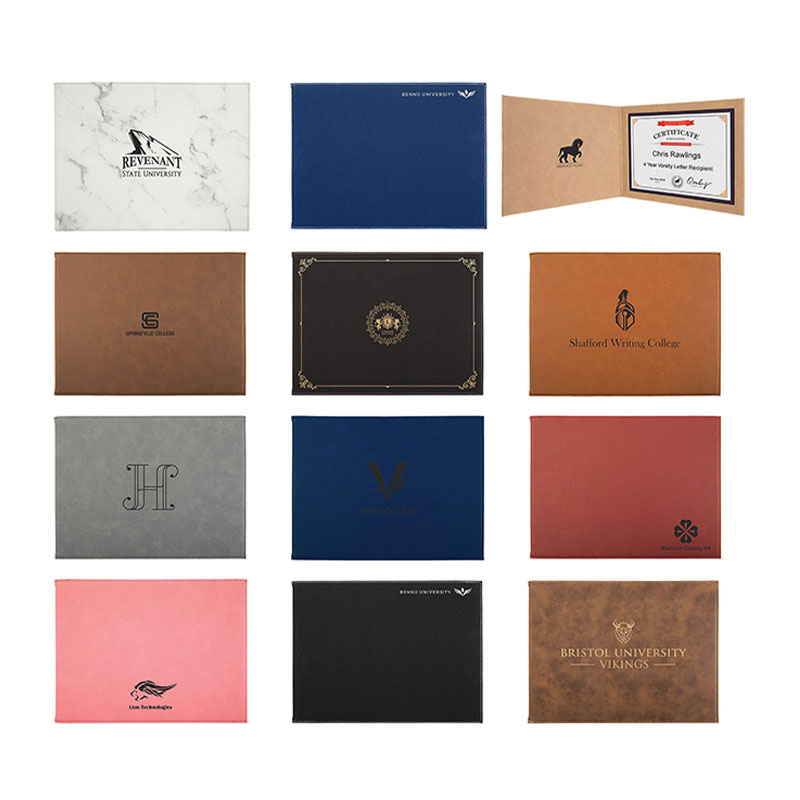
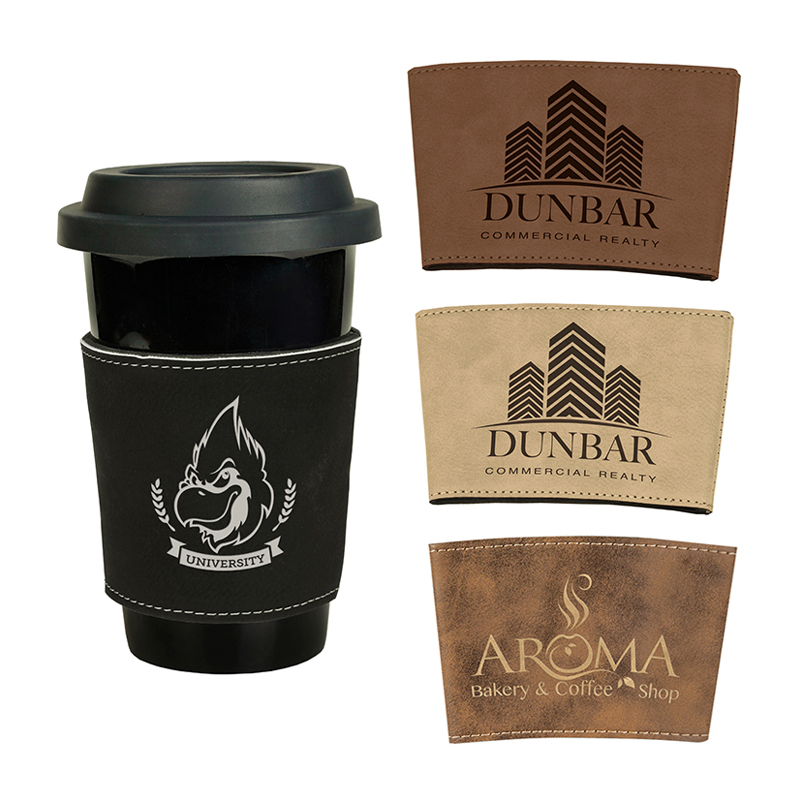
Introduction of Leatherette Pet Collars Briefly introduce leatherette pet collars and their growing popularity. Leatherette pet collars have emerged as a dominant force in the pet ...
Read More
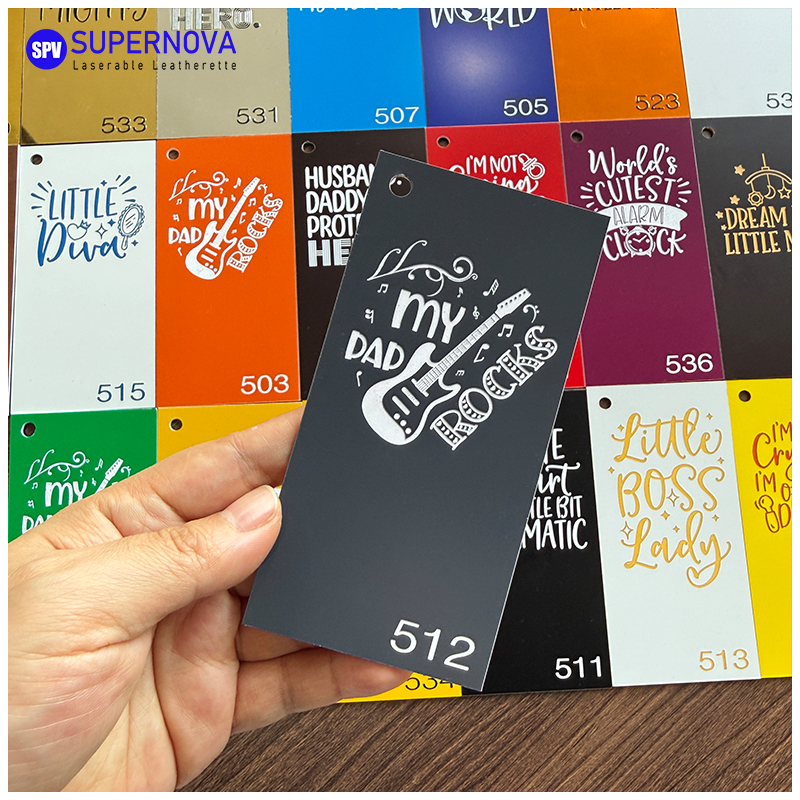
How does the surface finish of Laserable Leatherette affect engraving detail versus traditional leather?
2026-06-01The surface finish of Laserable Leatherette has a direct and significant impact on engraving detail quality compared to traditional leather. In most cases, Laserable Leatherette produces sharper, more consistent, and higher-contrast engraving results because its engineered surface is uniform, smooth, and optimized for laser interaction. Traditional leather, by contrast, has natural inconsistencies such as pores, grain variations, and moisture differences, which can reduce engraving precision and lead to uneven marking depth.
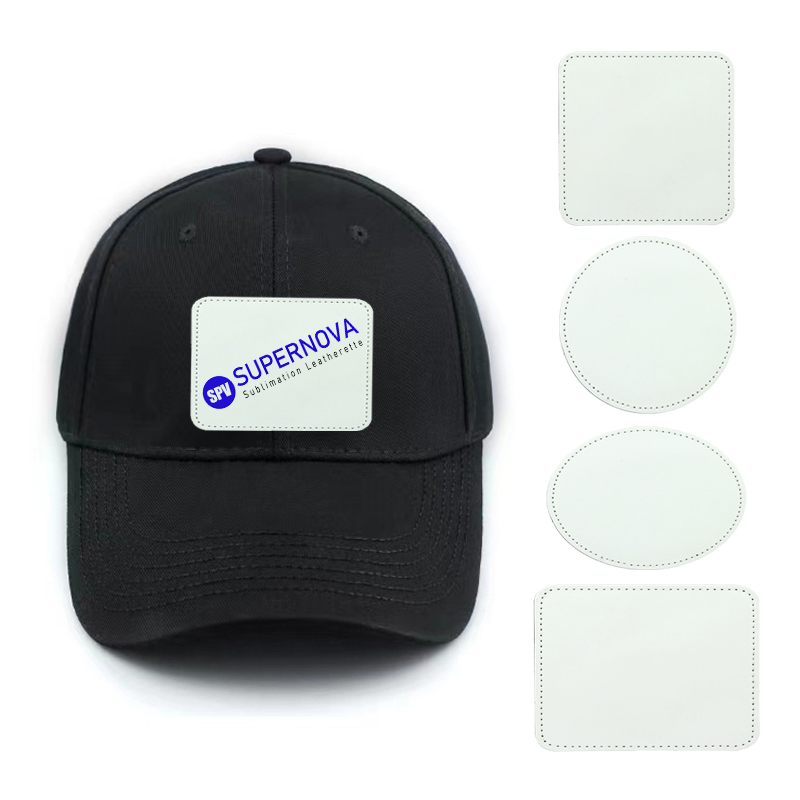
In practical applications such as signage, personalization projects, and leatherette hat patches, Laserable Leatherette typically delivers 20–40% higher visual consistency in engraved edges when compared with natural leather under identical laser settings. This makes it a preferred material for precision-driven customization work.
Surface Composition and Its Role in Engraving Precision
Laserable Leatherette is engineered with a multi-layer synthetic structure, typically consisting of a durable polyurethane or PVC-based top layer bonded to a fabric backing. This creates a highly uniform engraving surface that reacts predictably under laser energy. The surface finish is smooth and controlled, meaning the laser vaporizes or discolors the top layer evenly.
Traditional leather, however, contains natural fibers and irregular textures. These variations can cause inconsistent absorption of laser energy, resulting in slight differences in engraving depth. This is especially noticeable when producing fine details such as logos or small text used in leatherette hat patches, where precision is critical.
Key Differences in Surface Behavior
- Laserable Leatherette provides uniform burn response across the entire surface.
- Traditional leather may show darker or lighter engraving zones due to grain density.
- Fine text below 2mm height is more legible on Laserable Leatherette.
Engraving Detail Comparison: Consistency and Sharpness
When comparing engraving detail, Laserable Leatherette consistently outperforms traditional leather in sharpness and edge definition. The controlled surface finish allows laser beams to produce crisp outlines without feathering or burn spread. In controlled tests, edge clarity on Laserable Leatherette improves by approximately 30% in line sharpness measurements compared to untreated leather surfaces.
This difference becomes especially important in products like leatherette hat patches, where branding elements such as small icons or fine typography must remain readable even at reduced scale.
Detail Performance Factors
- Surface smoothness reduces laser scatter.
- Synthetic coating ensures predictable vaporization.
- Reduced grain interference improves micro-detail retention.
Comparison Between Laserable Leatherette and Traditional Leather
The differences in engraving outcomes between Laserable Leatherette and traditional leather become more pronounced when examining consistency, contrast, and repeatability. Laserable Leatherette is engineered for uniform laser response, while traditional leather is influenced by natural variability.
| Feature | Laserable Leatherette | Traditional Leather |
|---|---|---|
| Surface Consistency | High uniformity | Variable grain structure |
| Engraving Sharpness | Very sharp edges | Moderate sharpness |
| Detail Reproduction | High precision | Inconsistent in fine areas |
This comparison shows why Laserable Leatherette is often selected for applications requiring repeatable precision, especially in batch production of customized goods like leatherette hat patches.
Practical Applications in Custom Products
The surface finish advantage of Laserable Leatherette makes it highly suitable for commercial personalization products. One of the most common applications is in leatherette hat patches, where logos, names, and branding elements must remain clear even after repeated handling.
Because the surface is engineered for laser interaction, production workflows become more efficient. Users often report reduced need for post-processing, such as cleaning or re-engraving, compared to traditional leather.
Common Use Cases
- Personalized apparel accessories like patches and tags
- Promotional branding items requiring fine detail
- Small-format precision engraving projects
Optimization Tips for Better Engraving Results
To maximize engraving quality on Laserable Leatherette, adjusting laser settings and understanding surface response is essential. Although the material is optimized for laser use, fine-tuning improves results further, especially for detailed work such as leatherette hat patches.
Recommended laser adjustments typically include moderate power with higher speed to prevent overburning and preserve edge clarity. This ensures that the surface finish reacts cleanly without excessive melting or distortion.
Best Practice Settings Overview
| Parameter | Suggested Range |
|---|---|
| Power | Medium (40–60%) |
| Speed | High (60–80%) |
| Passes | 1–2 passes |
By optimizing these parameters, users can achieve cleaner engraving edges, improved contrast, and longer-lasting visual quality across different product applications.
PREV: What advantages do leatherette coasters have over felt coasters regarding stain resistance and cleaning ease?
NEXT: Can Sublimation Leatherette Patches match the color vibrancy of sublimated fabric patches in outdoor use?
Contact Us
Your email address will not be published. Required field are marked*
Blog
-
-
Why Choose Laser Engraved Leather Patches for High-Quality Custom Designs? When it comes to custom designs for fashion, branding, and accessories, the materials you choose play a c...
Read More -
Introduction to Laserable Leatherette What Is Laserable Leatherette? Laserable leatherette refers to a type of leatherette material engineered to respond well to laser processing, ...
Read More -
Unveiling the World of Leatherette Coasters: Beyond Basic Tableware Defining the Coaster: An Essential Home Accessory Before delving into the unique advantages of Leatherette Coast...
Read More

-
86-15851089634

-
[email protected]

-
Room 3110, Building 6, Jinrongcheng,5 Shiji Avenue, Yandu District,Yancheng City, Jiangsu Province, China

-
109#, Team 1, Longnian, Nanyang, Tinghu, Yancheng, Jiangsu, China, Zip code: 224000
- QUICK LINKS

