
 English
  Español
  Deutsch



Introduction of Leatherette Pet Collars Briefly introduce leatherette pet collars and their growing popularity. Leatherette pet collars have emerged as a dominant force in the pet ...
Read More
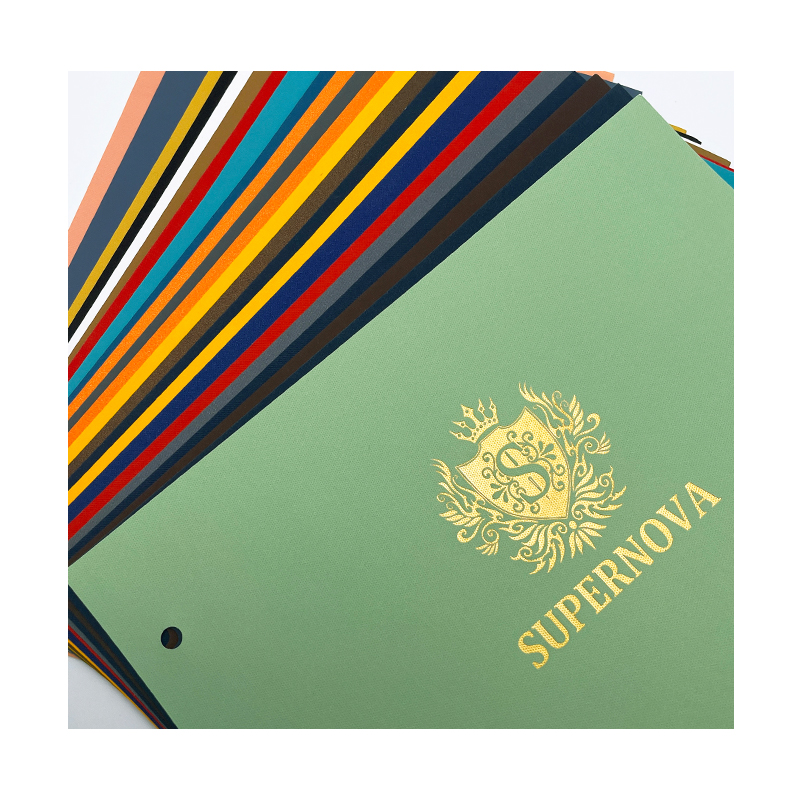
How does Leatherette Sheet Stock perform in terms of stain resistance, chemical resistance, and spill absorption compared to alternative synthetic or natural materials?
2026-01-12-
Stain Resistance: Leatherette Sheet Stock is manufactured with a sealed, non-porous polymer surface—typically polyurethane (PU) or polyvinyl chloride (PVC)—that forms a continuous protective barrier against liquids, pigments, and particulate matter. This surface prevents staining agents such as coffee, red wine, food sauces, cosmetics, inks, and dyes from penetrating into the substrate, allowing most contaminants to remain on the exterior where they can be easily removed using mild soap, water, or standard commercial cleaners. In contrast, natural leather contains a fibrous, porous structure that readily absorbs oils and colored liquids, causing stains to set below the surface and making remediation difficult or irreversible without specialized treatment. Woven textiles trap staining substances between fibers, where they bind chemically or mechanically, leading to permanent discoloration. As a result, Leatherette Sheet Stock offers a significantly higher level of practical stain resistance, making it particularly suitable for hospitality, healthcare, transportation, and public seating applications where frequent exposure to staining agents is unavoidable.
-
Resistance to Oil-Based and Organic Stains: Leatherette Sheet Stock demonstrates superior resistance to oil-based substances, body oils, lotions, grease, and organic residues due to the chemically stable polymer coating that prevents absorption and chemical bonding with hydrocarbons or fatty compounds. This property is especially critical in environments such as restaurants, automotive interiors, commercial furniture, and medical settings, where frequent contact with skin oils, food products, and cosmetic materials can cause progressive darkening, surface degradation, and permanent marking on natural leather. Over time, leather absorbs these substances into its collagen structure, altering color, softening the grain, and compromising surface integrity. Similarly, coated textiles may initially repel oils but often lose effectiveness as surface treatments wear away through cleaning and abrasion. Leatherette Sheet Stock retains its resistance characteristics because the protective layer is integral to the material rather than a temporary finish, ensuring consistent appearance, easier cleaning, and reduced maintenance throughout the product’s service life.
-
Chemical Resistance to Household and Industrial Cleaners: Leatherette Sheet Stock is engineered to withstand repeated exposure to a wide range of commonly used cleaning agents, including neutral detergents, diluted alkaline solutions, alcohol-based disinfectants, mild solvents, and low-concentration acids, without suffering from surface etching, color fading, embrittlement, or loss of texture. This chemical stability is a direct result of its polymer-based surface, which is designed to resist chemical interaction and breakdown under routine maintenance procedures. In contrast, natural leather is highly sensitive to chemical exposure; harsh or even moderately alkaline or acidic cleaners can strip oils, cause drying, cracking, discoloration, and irreversible surface damage. Many fabrics, particularly those without specialized coatings, experience fiber weakening, dye migration, or finish deterioration after repeated chemical cleaning. Therefore, Leatherette Sheet Stock provides a safer, more durable solution for environments requiring frequent sanitation, such as healthcare facilities, public transportation, hospitality venues, and food service areas.
-
Resistance to Spills and Liquid Penetration: Leatherette Sheet Stock exhibits minimal liquid absorption due to its impermeable surface structure, which prevents immediate penetration of water, beverages, oils, and other liquids. When spills occur, fluids typically remain on the surface long enough to be wiped away without leaving residual marks or causing substrate damage. This characteristic significantly reduces the risk of staining, swelling, odor retention, and microbial growth. In contrast, natural leather absorbs moisture into its fibrous interior, leading to dark spots, hardening, warping, or mold development if not dried and treated promptly. Textiles, particularly woven or knitted upholstery fabrics, rapidly wick liquids into the fiber network, making cleanup difficult and often requiring deep extraction or professional cleaning. Leatherette Sheet Stock therefore offers a highly practical advantage in applications where accidental spills are common, such as dining furniture, vehicle interiors, waiting areas, and commercial seating, ensuring both cleanliness and long-term material integrity.
-
Edge and Seam Considerations: While the primary surface of Leatherette Sheet Stock provides excellent resistance to spills and liquids, attention must be given to cut edges, seams, and mechanically joined areas where the protective coating may be interrupted. Prolonged exposure to moisture at these vulnerable points can allow limited liquid migration beneath the surface layer, particularly if the material is improperly sealed or installed. However, even under these conditions, the degree of penetration is substantially lower than that observed in natural leather, where absorption occurs across the entire exposed surface, or in textiles, where capillary action draws liquids deep into the fiber structure. With appropriate fabrication methods—such as sealed edges, proper stitching, and the use of compatible adhesives—Leatherette Sheet Stock maintains its water resistance throughout most of its structure. This makes it a reliable choice for environments where moisture exposure is unavoidable but controlled through professional installation and routine maintenance.
PREV: Discover the Perfect Sublimation Canvas Portfolio Set for Every Occasion
NEXT: How well do Sublimation Wallets & Card Holders perform in extreme weather conditions, such as high humidity, rain, or extreme cold?
Contact Us
Your email address will not be published. Required field are marked*
Blog
-
-
Why Choose Laser Engraved Leather Patches for High-Quality Custom Designs? When it comes to custom designs for fashion, branding, and accessories, the materials you choose play a c...
Read More -
Introduction to Laserable Leatherette What Is Laserable Leatherette? Laserable leatherette refers to a type of leatherette material engineered to respond well to laser processing, ...
Read More -
Unveiling the World of Leatherette Coasters: Beyond Basic Tableware Defining the Coaster: An Essential Home Accessory Before delving into the unique advantages of Leatherette Coast...
Read More

-
86-15851089634

-
[email protected]

-
Room 3110, Building 6, Jinrongcheng,5 Shiji Avenue, Yandu District,Yancheng City, Jiangsu Province, China

-
109#, Team 1, Longnian, Nanyang, Tinghu, Yancheng, Jiangsu, China, Zip code: 224000
- QUICK LINKS

