
 English
  Español
  Deutsch
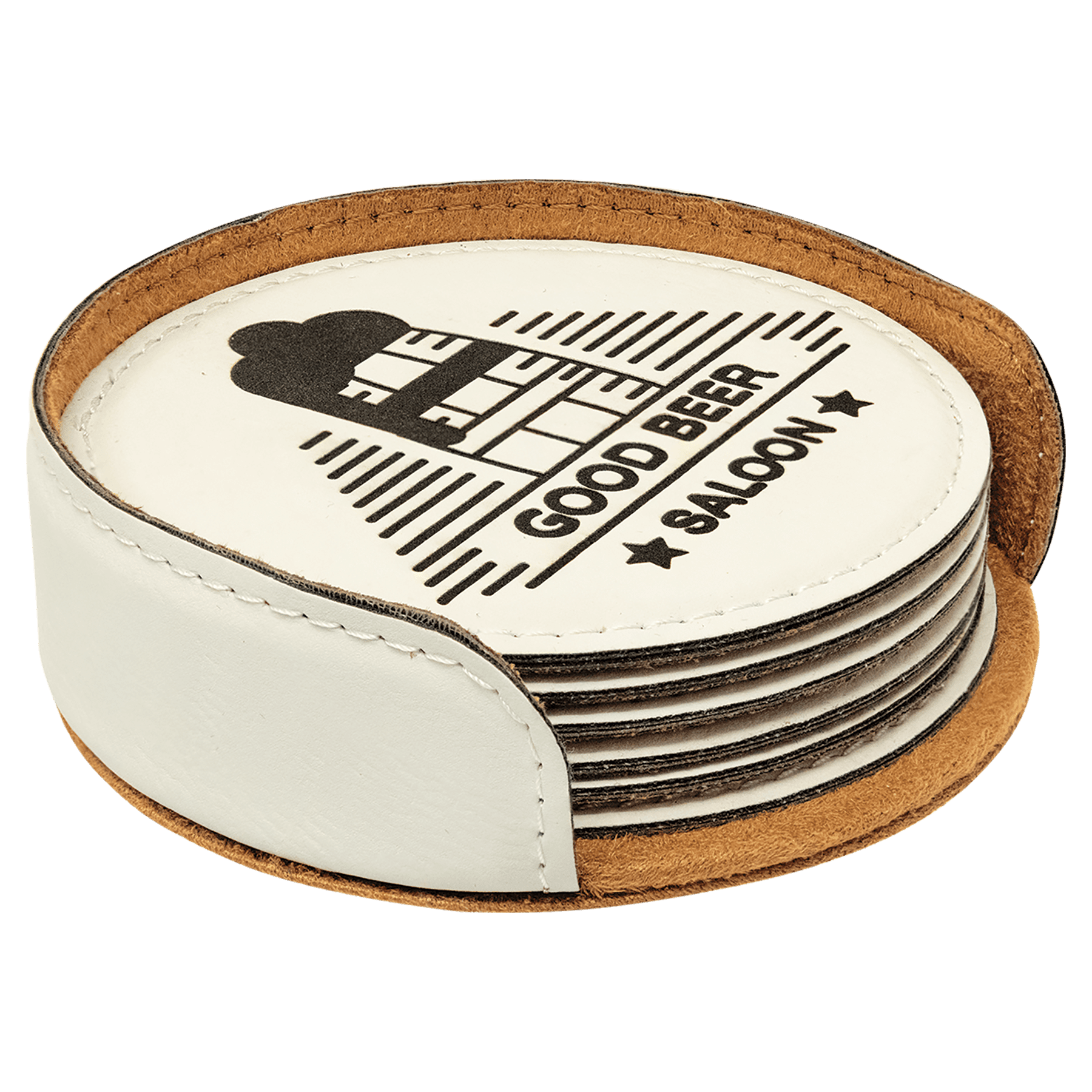
Introduction of Leatherette Pet Collars Briefly introduce leatherette pet collars and their growing popularity. Leatherette pet collars have emerged as a dominant force in the pet ...
Read More
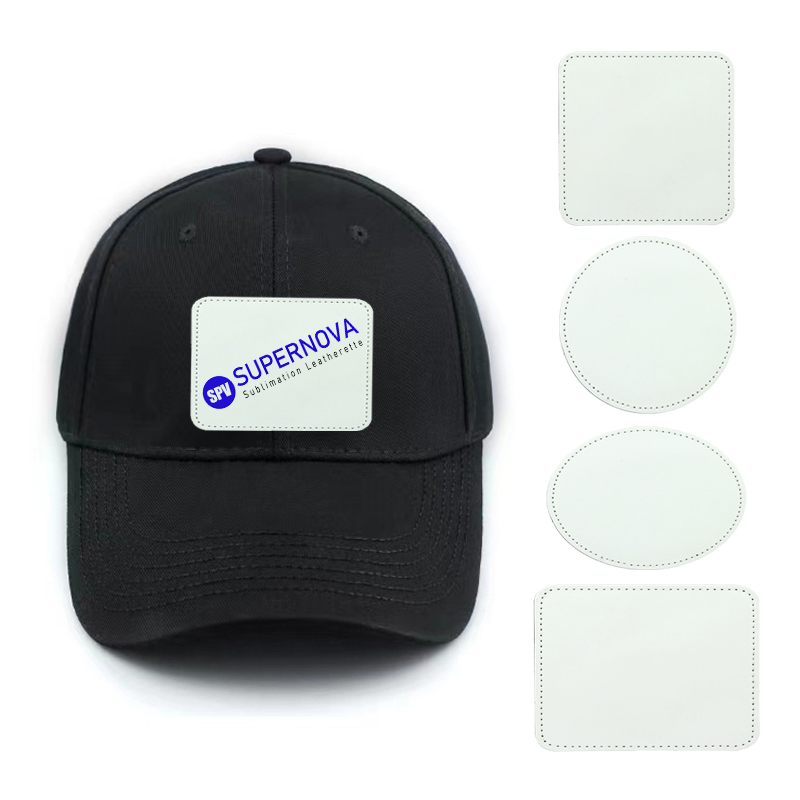
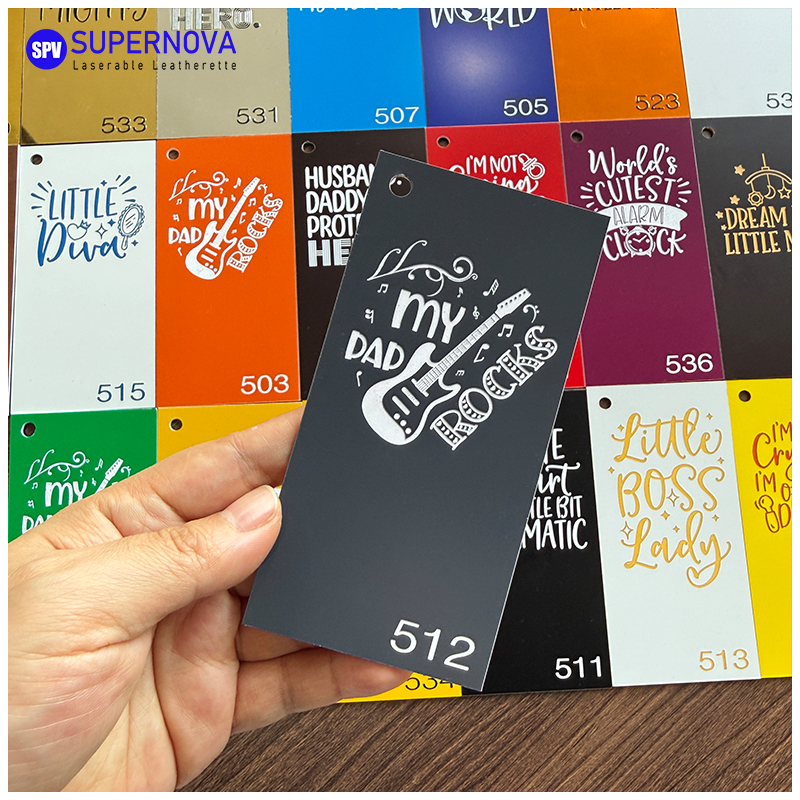
How do Laserable Leatherette Patches perform under UV exposure and outdoor environmental conditions?
2026-04-01Laserable Leatherette Patches perform moderately well under UV exposure and outdoor conditions — but they are not inherently weatherproof. Without protective finishing, most standard Laserable Leatherette Patches will begin to show visible fading, surface cracking, or color degradation after 3 to 6 months of continuous outdoor UV exposure. However, with the right material selection, post-engraving treatment, and proper application context, these patches can maintain acceptable durability for 2 or more years even in demanding environments.
This guide breaks down the specific factors that affect performance, what users can realistically expect, and how to extend the lifespan of Laserable Leatherette Patches used outdoors.
What Laserable Leatherette Is Made Of — and Why It Matters Outdoors
Laserable Leatherette is a synthetic material — typically a polyurethane (PU) or PVC-coated fabric substrate — engineered to react cleanly to CO₂ laser engraving. The laser removes or alters the top coating layer to reveal a contrasting color beneath, producing crisp, permanent-looking marks without ink or dye. When this material is cut and finished into patch form, the result is what the industry refers to as Laserable Leatherette Patches.
The outdoor performance of Laserable Leatherette Patches depends on three core material characteristics:
- The top coating layer: This is the layer the laser engraves. In Laserable Leatherette, thinner or lower-quality coatings degrade faster under UV radiation.
- The base substrate: PU-based Laserable Leatherette tends to be more UV-resistant than PVC-based variants, which are prone to yellowing and brittleness over time.
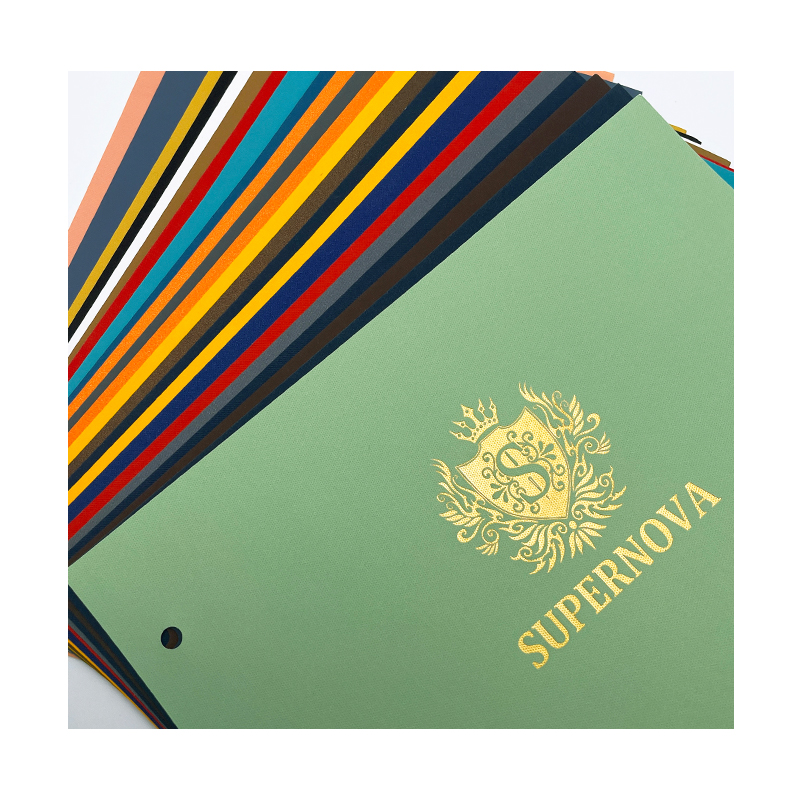
- Colorants and pigments: Darker base colors (black, dark brown) in Laserable Leatherette Patches generally retain their appearance longer under sun exposure than lighter or brighter colors.
Understanding these factors helps users select the right Laserable Leatherette Patches for outdoor-facing applications such as tactical gear, bags, hats, or jacket emblems.
How UV Exposure Affects Laserable Leatherette Patches Over Time
Ultraviolet radiation is the single biggest environmental threat to the visual integrity of Laserable Leatherette Patches. UV rays break down polymer chains in the PU or PVC coating of the Laserable Leatherette, leading to gradual degradation of both color and surface texture.
Typical UV Degradation Timeline (Unprotected Patches)
| Exposure Duration | Observable Effect | Severity |
|---|---|---|
| 0–3 Months | Minimal visible change; slight gloss reduction | Low |
| 3–6 Months | Noticeable color fading, especially on lighter patches | Moderate |
| 6–12 Months | Surface micro-cracking begins; engraved contrast may soften | Moderate–High |
| 12–24 Months | Significant peeling, brittleness, or delamination possible | High |
| 24+ Months | Structural degradation; patch may not retain original form | Very High |
It is important to note that these timelines apply to Laserable Leatherette Patches exposed to direct sunlight in moderate-to-high UV index climates (UV Index 6+), such as those found in the southern United States, Australia, or Mediterranean regions. In lower UV environments, degradation of the Laserable Leatherette will occur more slowly.
Resistance to Moisture, Heat, and Physical Wear
Beyond UV radiation, outdoor use exposes Laserable Leatherette Patches to a combination of environmental stressors. Here is how the Laserable Leatherette material typically performs across each category:
Moisture and Rain
Laserable Leatherette Patches have a degree of natural water resistance due to their synthetic polymer coating. Short-term moisture exposure — such as rain or splashing — does not typically damage the engraved surface of Laserable Leatherette. However, prolonged submersion or repeated saturation can cause the adhesive backing (if present) to weaken or the substrate layers to separate. Patches sewn onto garments fare better in wet conditions than those relying solely on adhesive attachment.
Temperature and Heat
Laserable Leatherette generally tolerates temperatures between -10°C and 60°C (14°F–140°F) without significant dimensional changes. Sustained exposure to temperatures above 60°C — such as in a parked vehicle in summer — can cause the surface of Laserable Leatherette Patches to soften, warp, or develop bubbling. PVC-based variants are more heat-sensitive and may deform at lower thresholds.
Abrasion and Physical Stress
The engraved surface of Laserable Leatherette Patches is relatively resistant to light abrasion because the design is created by material removal rather than ink deposition. Unlike printed patches, laser-engraved designs on Laserable Leatherette are permanent and will not peel away from abrasion alone. However, aggressive or repetitive rubbing against rough surfaces can gradually erode the engraved contrast of the Laserable Leatherette over time.
Color and Material Choices That Improve Outdoor Durability
Not all Laserable Leatherette Patches are created equal when it comes to outdoor longevity. Users who prioritize durability should consider the following selection criteria when sourcing Laserable Leatherette:
- Choose black or dark brown base colors. These pigments in Laserable Leatherette Patches are inherently more UV-stable and show less fading compared to tan, cream, or red variants.
- Opt for PU-based over PVC-based Laserable Leatherette. PU materials are more flexible, more UV-resistant, and less likely to crack in cold weather.
- Select thicker material gauges (1.0mm or above). Thicker Laserable Leatherette Patches have a larger buffer of material before UV degradation reaches the substrate, extending the visible lifespan of the engraving.
- Avoid high-gloss finished Laserable Leatherette for outdoor use. Matte or semi-matte surfaces tend to resist UV-induced dulling more gracefully than high-gloss coatings, which can become visibly uneven over time.
How to Extend the Lifespan of Laserable Leatherette Patches Used Outdoors
For users who need Laserable Leatherette Patches to perform reliably in outdoor environments, several post-processing and protective measures can significantly extend their useful life:
- Apply a UV-resistant clear coat or sealant. Products such as acrylic spray sealants or dedicated Laserable Leatherette protectants with UV inhibitors can reduce photodegradation by up to 50%, according to material finishing industry benchmarks. Apply 2–3 thin coats after engraving your Laserable Leatherette Patches for best results.
- Use a leather conditioner periodically. Even Laserable Leatherette benefits from conditioning treatments that restore surface flexibility and resist cracking. Apply every 3–6 months for patches worn or displayed outdoors regularly.
- Sew Laserable Leatherette Patches rather than relying on adhesive alone. Stitched attachment eliminates the risk of adhesive failure from heat and moisture, ensuring the patch stays securely bonded to the garment or gear throughout its lifespan.
- Store items with Laserable Leatherette Patches away from direct sunlight when not in use. Even simple behavioral changes — such as storing a hat or jacket in a bag rather than leaving it in a sunny car — can dramatically slow UV-related degradation of the Laserable Leatherette.
- Avoid pressure washing or chemical cleaning agents. Clean Laserable Leatherette Patches with a damp cloth and mild soap only. Harsh chemicals and high-pressure water can strip protective coatings and damage the engraved surface of the Laserable Leatherette.
Practical Applications: Where Laserable Leatherette Patches Work Well Outdoors
Despite their UV limitations, Laserable Leatherette Patches are widely used in outdoor-facing applications where their aesthetic appeal and laser engraving clarity outweigh their moderate weathering constraints. Common successful use cases include:
- Tactical and military gear patches: Morale patches and unit insignia made from dark-colored Laserable Leatherette perform well due to UV-stable pigments and protected wear environments.
- Branded outdoor apparel: Jacket logos, hat emblems, and bag patches for outdoor brands benefit from the premium aesthetic of Laserable Leatherette Patches combined with UV sealant protection.
- Sporting goods and equipment labels: Gym bags, hiking packs, and team jerseys frequently feature Laserable Leatherette Patches that hold up well under intermittent, rather than continuous, UV exposure.
- Promotional merchandise: Event giveaways and branded gifts remain an ideal use case for Laserable Leatherette Patches where long-term outdoor durability is not the primary concern.
For applications requiring permanent, fully weatherproof identification — such as outdoor signage, marine equipment, or safety labels — users should consider supplementing or replacing Laserable Leatherette Patches with anodized aluminum or UV-grade polymer alternatives.
Final Verdict: Are Laserable Leatherette Patches Suitable for Outdoor Use?
Laserable Leatherette Patches are a strong choice for semi-outdoor and lifestyle applications where they are exposed to weather intermittently rather than continuously. The laser-engraved designs on Laserable Leatherette are inherently more durable than printed alternatives, and the synthetic construction of the material gives it a baseline resistance to moisture and physical wear.
The key is to match the product to the application. Select dark-colored, PU-based Laserable Leatherette Patches, apply UV-protective sealant after engraving, and use sewn attachment for maximum longevity. When these conditions are met, users can confidently expect 2 or more years of outdoor performance from their Laserable Leatherette Patches, retaining both aesthetic quality and structural integrity throughout.
PREV: How do Sublimation Leatherette Patches perform under repeated washing cycles?
NEXT: How resistant are Leatherette Name Badges to water, scratches, and general wear and tear?
Contact Us
Your email address will not be published. Required field are marked*
Blog
-
-
Why Choose Laser Engraved Leather Patches for High-Quality Custom Designs? When it comes to custom designs for fashion, branding, and accessories, the materials you choose play a c...
Read More -
Introduction to Laserable Leatherette What Is Laserable Leatherette? Laserable leatherette refers to a type of leatherette material engineered to respond well to laser processing, ...
Read More -
Unveiling the World of Leatherette Coasters: Beyond Basic Tableware Defining the Coaster: An Essential Home Accessory Before delving into the unique advantages of Leatherette Coast...
Read More

-
86-15851089634

-
[email protected]

-
Room 3110, Building 6, Jinrongcheng,5 Shiji Avenue, Yandu District,Yancheng City, Jiangsu Province, China

-
109#, Team 1, Longnian, Nanyang, Tinghu, Yancheng, Jiangsu, China, Zip code: 224000
- QUICK LINKS

